
Contents
Table of Contents
I. What is a micro influencer?
Let’s start with a common question: What is considered a micro-influencer? In most cases, it refers to someone who has between 1,000 and 50,000 followers on social media. But follower count isn’t the whole story.
What really sets micro-influencers apart is how much their audience pays attention. They usually focus on a specific topic, like skincare, fitness, fashion, or tech, and post content that speaks directly to people interested in that subject. That focus builds trust, and their followers often value their recommendations more than those of bigger influencers.
Micro-influencers are different from nano influencers (under 1,000 followers), macro influencers (100K+), or celebrities (millions). They sit right in the middle: not too small to be overlooked, but not so big that they lose that personal connection.
Why do brands love working with them? Because:
- They feel more relatable and trustworthy
- They often get higher engagement (more likes, comments, and clicks)
- They’re usually more affordable than large influencers
If you’ve built a focused, engaged audience, even if it’s still small, you might already be on your way to becoming a micro-influencer.
II. How to choose your niche as a micro-influencer
If you want to become a micro-influencer, one of the most important decisions you’ll make is choosing your niche, the specific topic your content will focus on.
It might be tempting to talk about everything you like, but here’s the truth: if your content is too broad, it’s harder for people (and brands) to know what you stand for.
Start with what you actually care about. Not what you think is trendy. Not what someone else is doing. What’s something you could talk about or create content around consistently?
Some common niche examples:
- Fashion
- Fitness
- Books
- Tech
- Food
- Parenting
- Travel
- Skincare
But even those are just the starting point. The real magic happens when you get specific.
Let’s say you’re into food. Instead of just “food,” try:
- Plant-based food for busy professionals
- Budget-friendly meals for students
- Family-friendly gluten-free recipes
When your niche is focused, it’s easier to attract people who are actually interested, and easier for brands to see if you’re the right fit for their product.
Here’s a quick way to think about it:
Your niche = what you care about + what your audience needs or searches for.
Passion gives you energy to keep going. Audience interest helps you grow. You want both.
Before you commit, do a little research:
- Are there other creators in that space? (If yes, that’s good, it means there’s demand.)
- Is the niche too crowded or too vague?
- Can you bring something unique to the table?
Pick a niche that feels true to you and focused enough to grow in. You can always evolve later, but having a clear starting point helps everything else fall into place.
III. How to build a strong content foundation as a micro influencer
Before brands take you seriously, or before you even start growing an audience, you need a solid foundation. That means consistent, quality content that shows who you are and what you’re about.
Think of it like this: your Instagram (or TikTok, or YouTube) is your portfolio. If someone clicks on your profile today, will they know what you talk about? Will they feel like they’ve landed in a space they want to follow?
Let’s break it down.
a. Start with consistency
You don’t need to post every day, but you do need to show up regularly. Whether that’s 3x a week or twice a week, find a rhythm you can stick to.
Consistency builds trust, and trust builds followers.
b. Mix up your content types
People follow creators who:
- Teach them something (educational)
- Make them feel something (entertaining or inspiring)
- Let them in (personal stories or behind-the-scenes)
A good content mix keeps things fresh and helps your personality shine through. Don’t just post photos of products, show your lifestyle, your routines, your opinions.
c. Have 10–20 quality posts before pitching brands
Before reaching out to anyone for a collab, make sure your feed reflects who you are. Aim for 10–20 posts that clearly show your niche, tone, and style.
These don’t have to be perfect, but they should be thoughtful.
High-quality doesn’t mean “expensive.” It means:
- Clean, well-lit photos or clear videos
- Captions with a bit of personality or story
- Posts that give something (a tip, a smile, a spark of connection)
Here is an example of content created by a Social Cat creator.
d. Batch and plan to avoid burnout
Creating content on the fly can get stressful. Instead, try batching, set aside time to shoot several photos or videos in one session. Then write your captions later, maybe over a coffee.
You can also use templates (for Reels, carousels, or Stories) to save time and stay on brand.
Remember: you don’t have to go viral. You just have to show up with intention, stay consistent, and keep improving.
That’s how a micro-influencer foundation gets built, one good post at a time.
IV. How to grow your audience

Once your content foundation is in place, it’s time to get more eyes on it. Growing your audience as a micro-influencer isn’t about shortcuts; it’s about showing up, building real connections, and being discoverable. This is how you become a micro influencer.
Let’s talk about what actually works.
a. Talk with your audience, not at them.
Growth doesn’t just come from posting more. It comes from engaging more.
- Reply to comments, every single one.
- Send DMs when someone shares your story or tags you.
- Use Instagram’s tools like polls, question boxes, and quizzes in Stories.
This builds relationships. And when people feel connected to you, they’re more likely to stick around (and share your content with others).
b. Use hashtags and collaborations
Don’t focus too much on hashtags. However, they still work, if you use them right. Stick with relevant, niche-specific ones. For example, #plantbasedrecipes or #indiebookstagram will bring in a more targeted audience than something like #love or #explore.
Even better? Collaborate with other micro-influencers in your space. Do shoutouts, Lives, co-create content, or even just comment regularly on each other’s posts. When audiences overlap, everyone benefits.
c. Don’t put all your eggs in one platform
Cross-promotion matters. If you’re growing on Instagram, repurpose your best content for TikTok or YouTube Shorts. Each platform reaches different people, and short-form video especially has serious reach potential.
You don’t need to be everywhere, but you do need to be where your audience hangs out.
d. Focus on real followers, not big numbers
Buying followers might look impressive, but it kills your engagement. Brands can spot fake numbers from a mile away, and it makes your insights basically useless.
What you want is slow, steady, real growth. A smaller audience that actually listens and cares is far more valuable than a big, silent one.
e. Try low-cost growth boosters
- Run a small giveaway with a brand or a fellow creator.
- Share Reels or TikToks 2–3 times a week, short-form video has serious algorithm power.
- Comment on posts in your niche regularly (not spammy, but thoughtful).
These small actions add up. Growth might feel slow some weeks, but trust the process. It compounds over time.
V. Start working with brands

You don’t need 100K followers to land brand deals. In fact, most small and mid-sized brands prefer working with micro-influencers because they see higher engagement (check our IG engagement rate calculator to find yours), lower costs, and more authentic content.
So yes, you’re already on the radar.
But how do you actually get started?
a. Brands working with influencers
From skincare startups to local coffee roasters, brands are actively looking for creators who can help spread the word. And they’re not just after big names. They want micro-influencers who:
- Genuinely like the product
- Create quality content
- Can speak to a niche audience
You don’t need to wait for brands to find you, you can make the first move.
Here are some of the brands that have been on Social Cat for a while:
b. Build a media kit (Don’t skip this)
Before reaching out to brands (or replying to offers), create a simple media kit. This doesn’t need to be fancy, just clear and honest.
Here’s what to include:
- A short bio (your name, niche, vibe)
- Basic audience insights (age, location, engagement rate)
- A few screenshots of your best posts or past collaborations
- Your rates (optional if you’re just starting)
- Contact info and links to your profiles
Even if you’re early in your journey, this shows you’re serious and professional.
c. Where to find brand collabs
- Social Cat – A great place for micro-influencers to connect with small brands. Focused on gifting and smaller paid campaigns.
- Aspire – More established platform, useful once you’ve built up a bit more experience and engagement.
- DMs and email outreach – Don’t underestimate this. If there’s a brand you love, reach out with a short message, your media kit, and a clear idea of how you can help.
d. Start with gifting, then grow
If you’re new, gifted collaborations are a great starting point. You get free products, they get exposure. More importantly, you get content and results to show other brands later.
Think of your first 3–5 collaborations as your portfolio. Once you’ve delivered great posts and built some trust, you can start charging. Slowly, but confidently.
Pro tip: Treat gifted work like paid work. If you over-deliver, brands will remember, and many will come back with budget next time.
VI. Treat influencing like a job
If you want to turn influencing into a long-term opportunity, you have to start treating it like more than a hobby.
Brands aren’t just looking for followers, they’re looking for partners who show up, communicate well, and deliver results.
Here’s how to stand out by acting like a pro (even if you’re just starting out):
a. Be reliable
If a brand sends you a product and a deadline, stick to it. Post on time. Follow the brief. Send the right tags and hashtags. It sounds basic, but consistency builds trust.
Being the influencer who always delivers = future campaigns, bigger deals, better rates.
b. Track Your Performance
Don’t just post and forget it. Look at:
- Reach
- Saves
- Shares
- Clicks
- Comments
Screenshot those results, especially if something performs well. You can include this in your next media kit or pitch to a new brand.
c. Stay organized
Whether it’s a Google Sheet or a tool like Notion or Trello, track the essentials:
- Who you worked with
- What content you delivered
- Due dates
- Payment status
- Performance results
This keeps your collabs smooth and gives you clarity on what’s working.
d. Follow up (Do this!)
Once a campaign ends, send a short message to the brand:
“Just wanted to say thanks again for the collab! Here are some quick stats from the post. Let me know if you’d like to work together again.”
That one message could turn a one-off gift into a long-term paid partnership.
VII. Mistakes to avoid as a micro-influencer
Every micro-influencer makes mistakes, it’s part of the learning curve. But some slip-ups can seriously hurt your growth or even cost you future brand deals.
Let’s go over a few to steer clear of:
a. Buying followers or engagement
Buying followers might feel like a quick fix, but brands can spot fake followers from a mile away. Low engagement, weird comments, sudden spikes in growth, it’s all a red flag.
And even if no one calls it out, it ruins your credibility. Real influence comes from trust, not numbers.
b. Being too generic
If your content sounds like everyone else’s, it’s easy to scroll past. The goal isn’t to copy popular creators, it’s to show up as your unique self in your niche.
Being specific and authentic wins every time.
c. Saying yes to every brand
It’s exciting when brands reach out, but that doesn’t mean you should accept every collab.
If a product doesn’t match your values or audience, you risk losing trust. Long-term success comes from building a brand that people believe in, not one that promotes everything.
d. Ignoring your audience
Not replying to comments or DMs? Not using polls or questions? That’s a missed opportunity. Your audience is your biggest asset. When they feel seen and heard, they stick around, and engage more.
More engagement = better reach = more opportunities.
d. Not disclosing sponsored posts
Let’s be clear: you’re legally required to disclose when content is paid or gifted. Use clear tags like #ad or #gifted.
Trying to “sneak it in” might get more likes short-term, but it damages trust (and can get you in trouble).
VIII. Tools to help you grow as a micro-influencer
You don’t need a full production team to be a great influencer, but the right tools can make your life a whole lot easier.
Here’s a quick list of go-to tools that’ll help you stay organized, create better content, and grow faster:
📅 Content planning
- Notion or Trello – Great for organizing post ideas, brand collabs, and your overall content calendar.
- Later – Lets you schedule posts ahead of time (especially helpful if you’re juggling multiple platforms).

🎨 Editing
- Lightroom – For polished, professional-looking photos with consistent aesthetics.
- CapCut – An easy, free video editor perfect for Reels, TikToks, and YouTube Shorts.
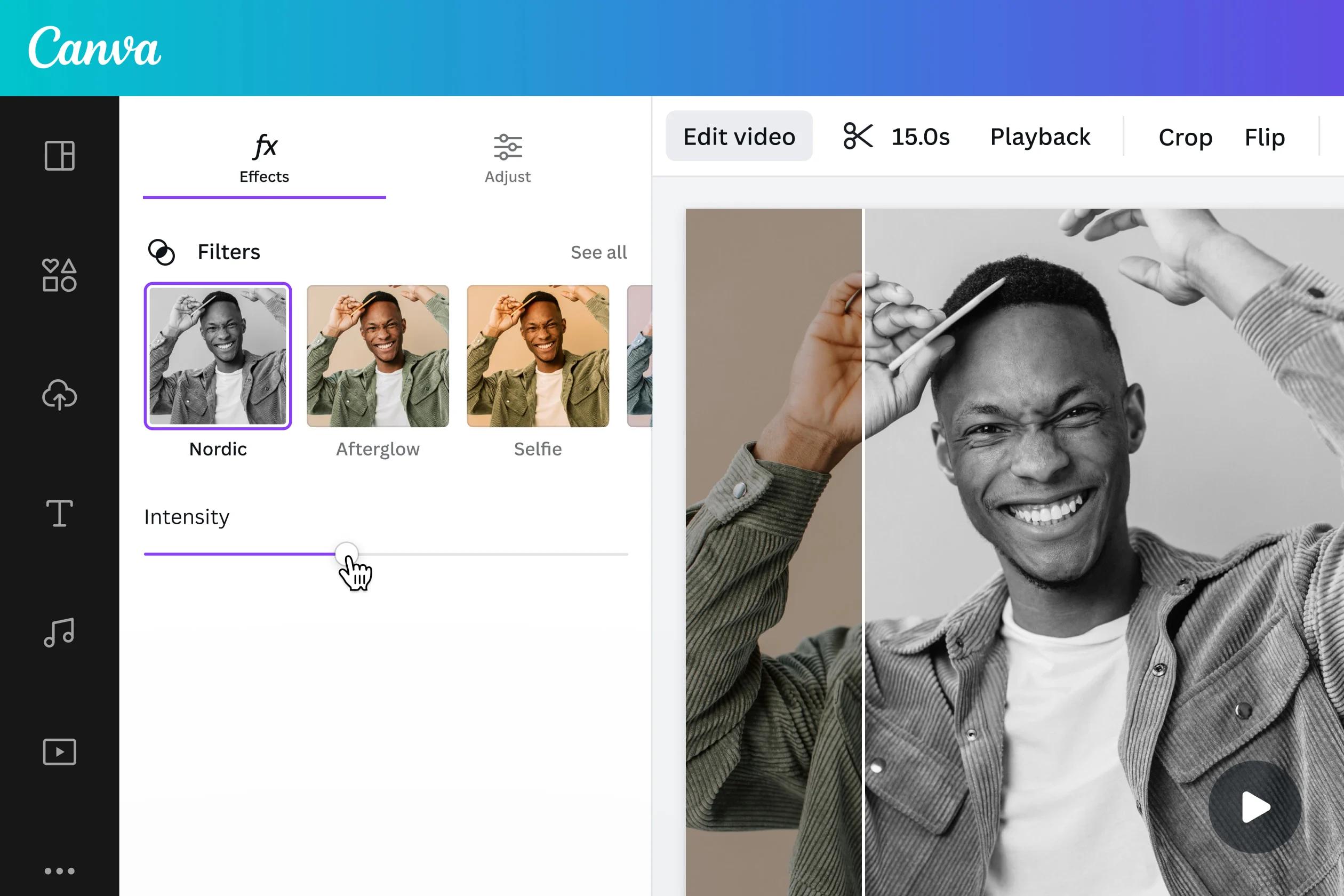
- Canva – Design tool for story templates, quote graphics, or even your media kit.
📊 Analytics
- Instagram Insights / TikTok Analytics – Both give you data on what content performs best and who your audience really is.
- Flick – Helps you find smart hashtags and understand how your posts are ranking.
🤝 Influencer platforms
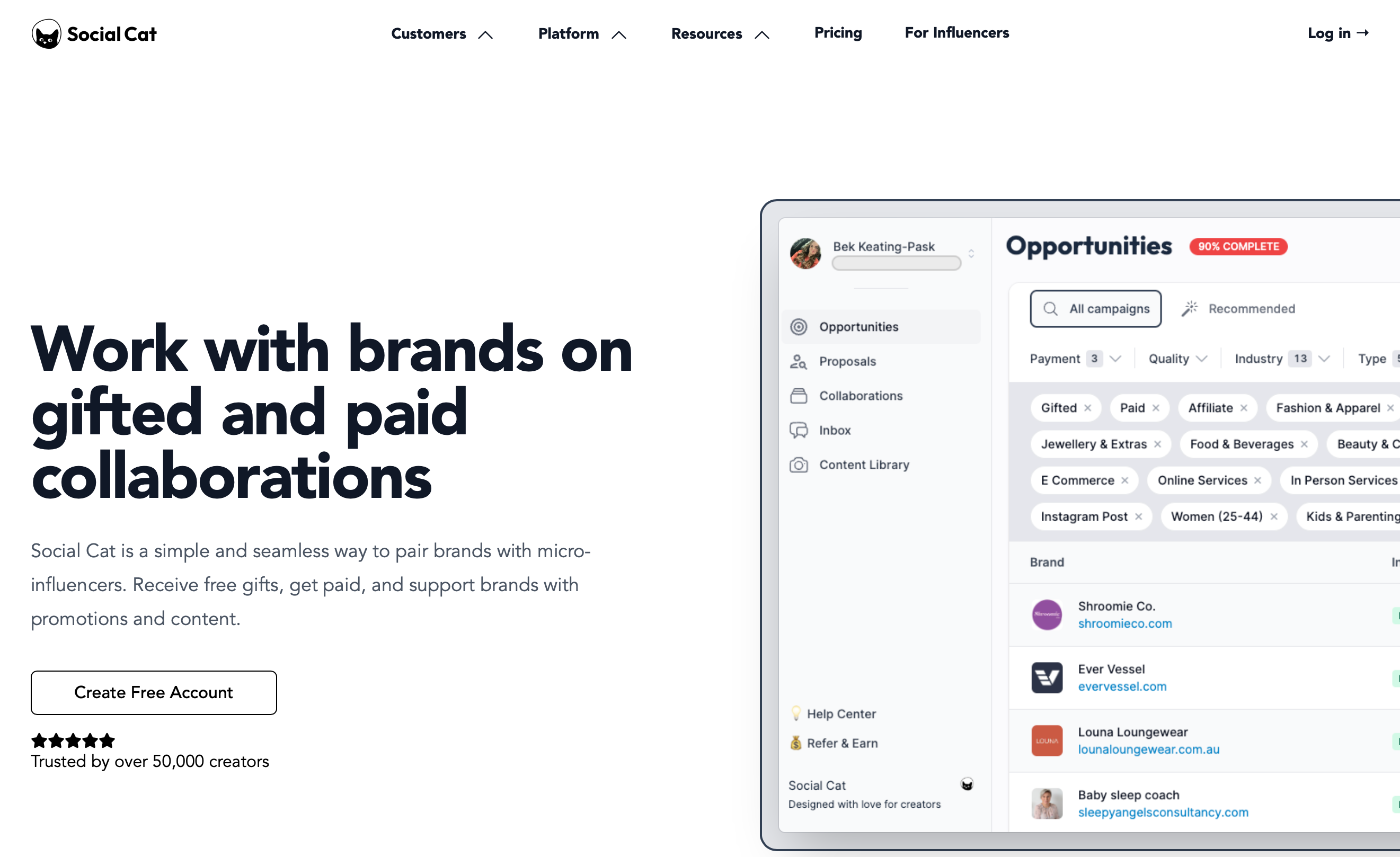
- Social Cat – Great for landing gifted and paid brand collabs with minimal effort.
- Brandbassador – Offers missions and tasks from brands looking for creators.
- Aspire.io – Perfect for creators ready to pitch or collaborate with larger brands.
You can find more tools and their reviews here.
IX. How long does it take to become a micro-influencer?
It doesn’t happen overnight!
Becoming a micro-influencer usually takes months of consistent effort. You’re not just growing a follower count, you’re building trust with real people who care about your content.
Some creators hit their first 1,000 followers in a few weeks. Others might take 3–6 months. It depends on your niche, how often you post, how you engage, and whether your content actually connects with your audience.
And that’s okay.
Focus on quality over speed. The goal isn’t to go viral, it’s to attract the right people and build a loyal community. Brands notice creators who have real engagement, not just big numbers.
Keep showing up. Be consistent. Learn what works. If you do that, growth will follow, maybe slower than you’d like, but way more solid in the long run.
X. Inspiration: micro-influencers who made it
Every creator starts with zero followers. What separates those who grow from those who give up? Consistency, clarity, and content that actually helps people.
Here are a few real-life examples:
1. Caleb Spillyards (@calebspillyards)
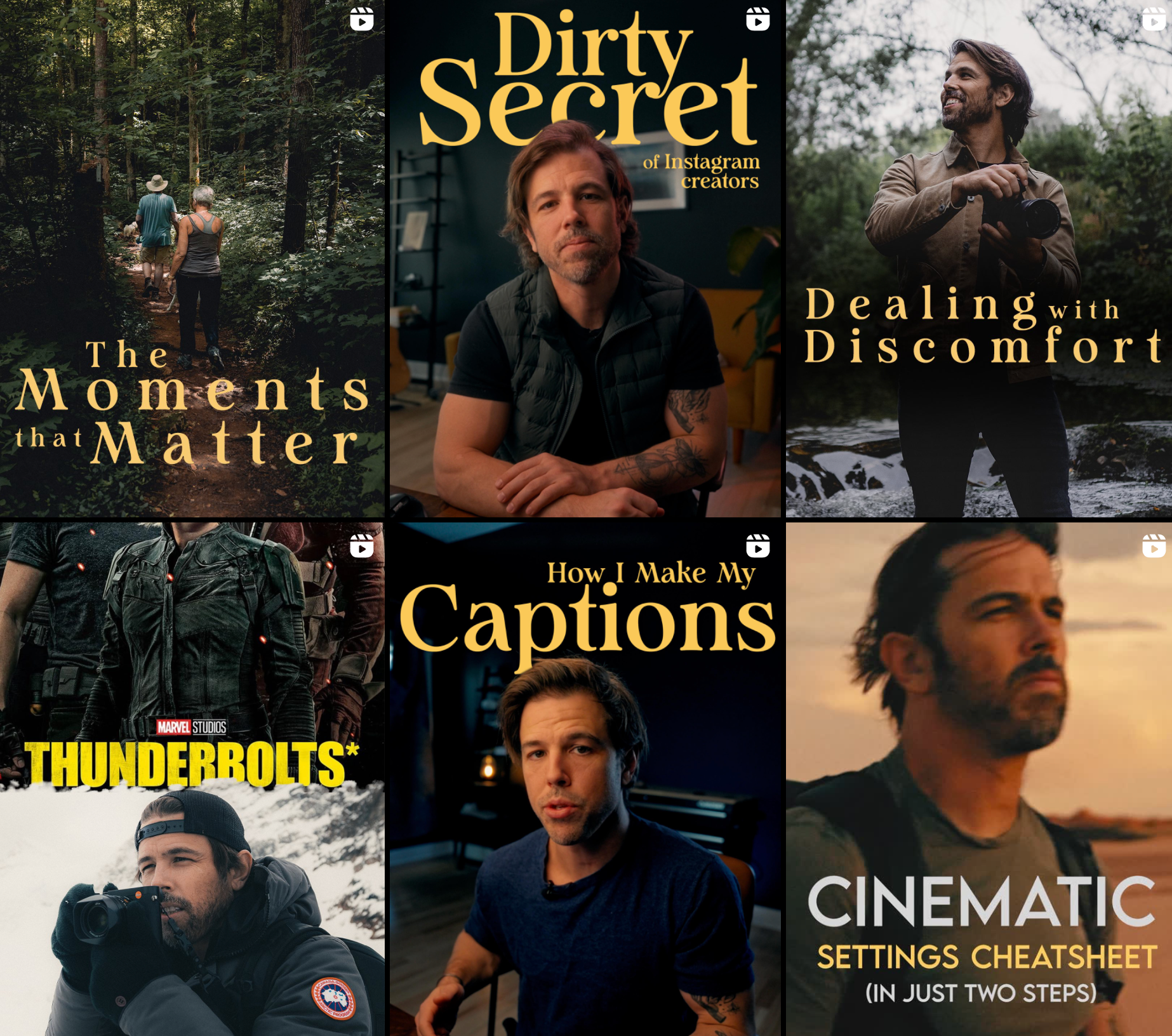
Follower count: ~47.8K
Niche: Jiu-Jitsu, stunt work, and storytelling
Caleb is a Hollywood stuntman and Jiu-Jitsu enthusiast who shares behind-the-scenes moments, relatable content, and lessons about life, discipline, and creativity. He’s carved out a loyal following by mixing entertainment with authenticity, and proving that even “niche within a niche” content can thrive when it’s real.
Lesson: If you’re passionate and consistent, your tribe will find you, no need to chase trends.
2. Adrian Per (@omgadrian)
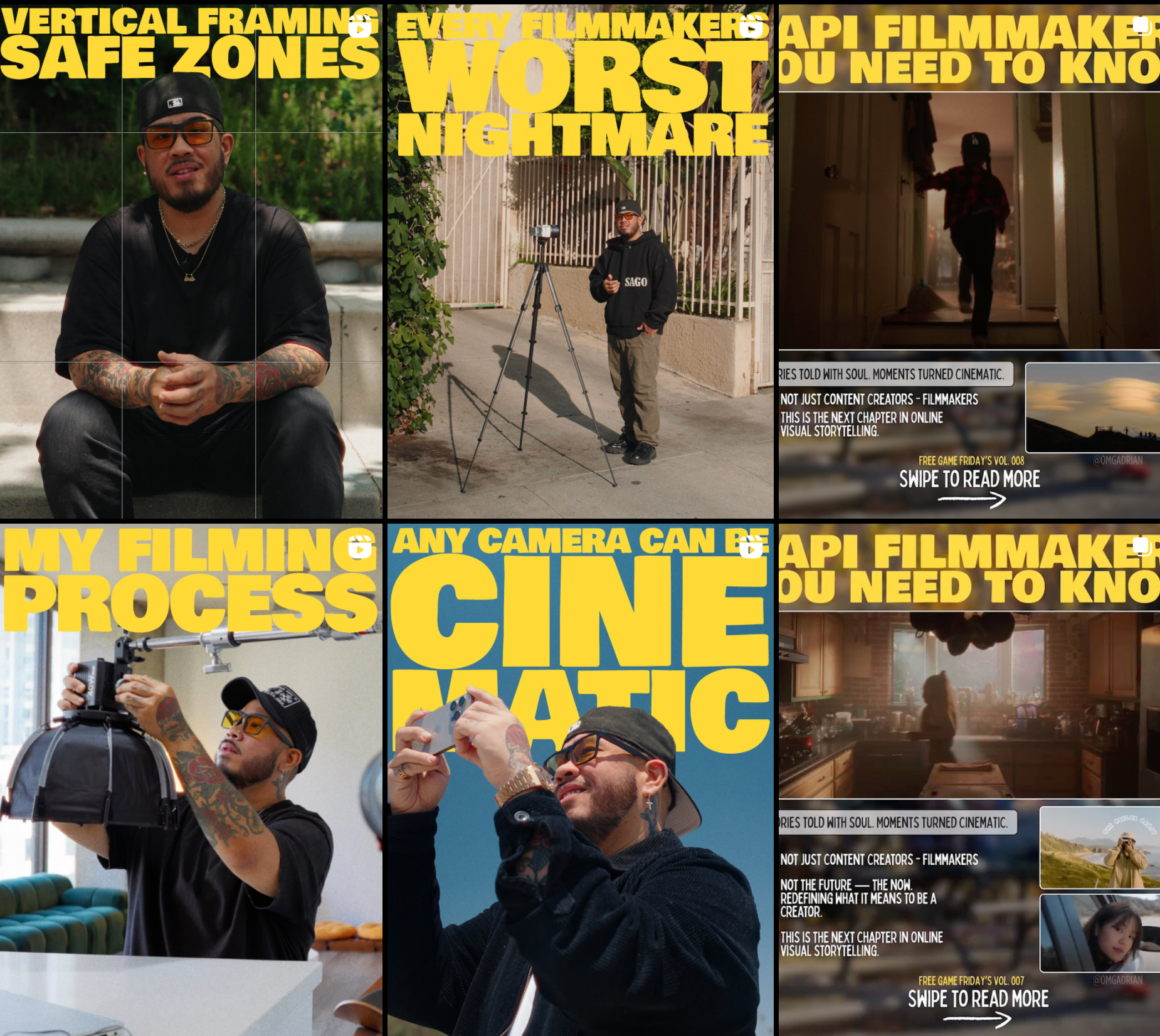
Follower count: ~706K
Niche: Filmmaking, creative direction
Adrian started by posting short-form cinematic content with a twist, educational, funny, and beautifully shot. He’s now a full-time creator and film director, collaborating with brands and building his own creative community.
Lesson: Focused, high-quality content in a visually distinct style can help you stand out, even in saturated spaces.
3. Steven Wommack (@stevenwommack)
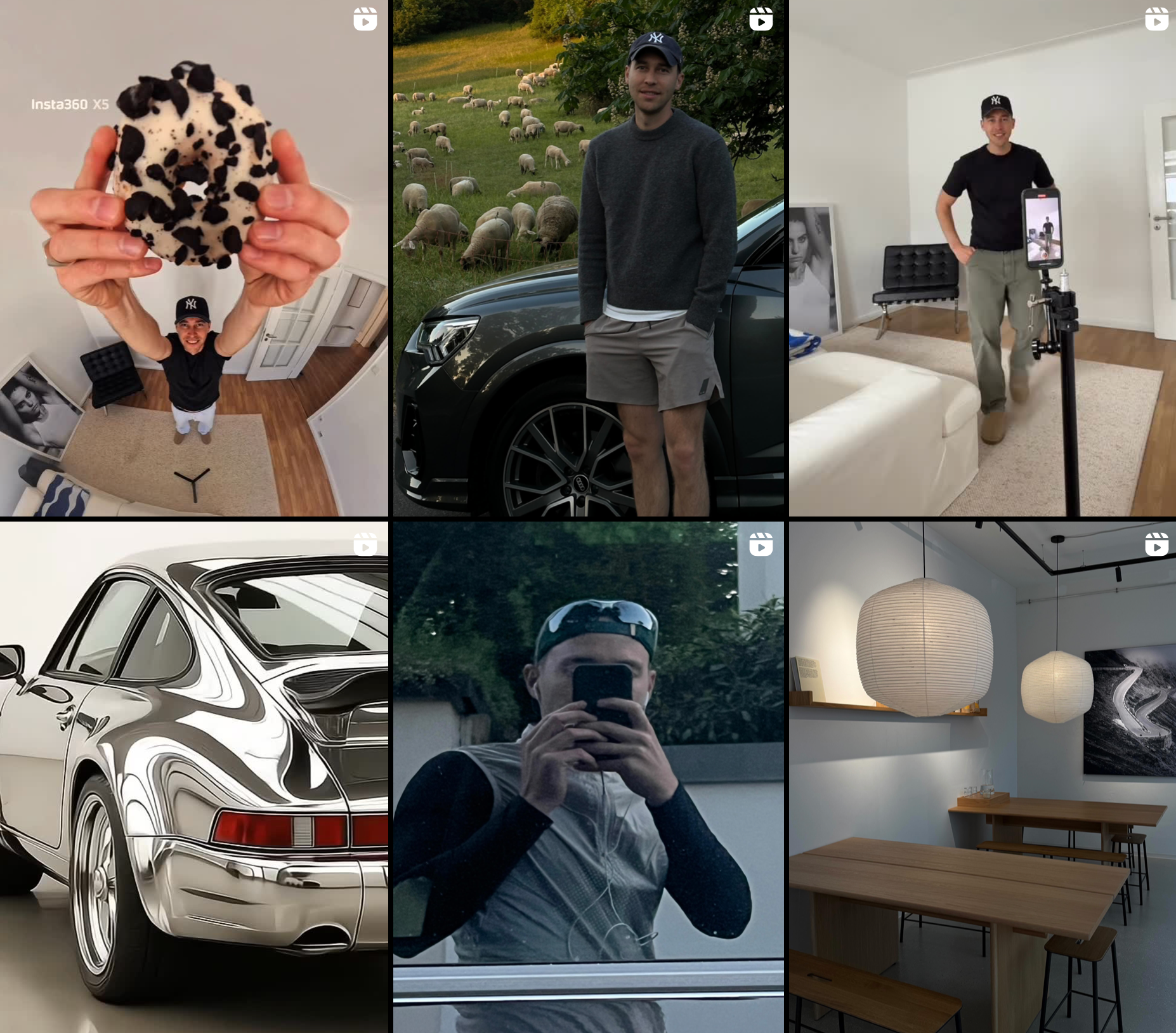
Follower count: 4.8M
Niche: Mobile video editing tips
Steven exploded by teaching creators how to edit videos using just their phones. What started as micro-influencer content turned into a viral brand with millions of views and a powerful audience of aspiring creators.
Lesson: Teaching what you know (no matter how small it seems) can scale fast when you focus on helping others win.
Bottom line?
These creators didn’t wait for permission. They picked a lane, showed up consistently, and built real communities around what they love.
Whether you’ve got 50 followers or 5,000, you’re not “too small.” You’re just getting started.
Want to take the first step? Platforms like Social Cat connect micro-influencers with brands who are actively looking to collaborate with smaller creators.
XI. Conclusion
If you’re just starting out, don’t stress about being “too small.” Every successful influencer began exactly where you are: with zero followers and a lot of curiosity.
Pick your niche. Show up regularly. Learn from each post. And most importantly, keep going.
You don’t need a huge audience to make an impact. What you need is a clear voice, authentic connection, and the right tools to help you stay organized and grow.
Your influence starts now.