Contents
Table of Contents
Becoming a social media influencer sounds exciting. You imagine growing an audience, working with brands, and eventually making money doing something you enjoy. And yes — that can happen.
But let’s get one thing out of the way early:
There are no overnight influencers.
If you’ve ever searched for “how to become an influencer,” you’ve probably seen polished success stories that skip the hard part, the months of posting to almost no one, figuring out what works, and questioning whether it’s worth it.
That’s where this guide is different.
Instead of repeating generic advice, we’re taking a realistic, step-by-step approach, backed by insights from people who’ve actually tried this. On Reddit, where creators tend to be brutally honest, the message is consistent:
“It’s possible — but it’s not easy.”
Many influencers you see today started with:
- Zero followers
- No brand deals
- No content experience
- No idea what they were doing at first
They didn’t magically “become influencers.” They learned by doing, improved over time, and stayed consistent longer than most people.
Reddit users often push back against the fantasy version of influencing, reminding beginners that growth takes effort:
“Engaged being the key word there — a large number of followers doesn’t always mean you’ll get tons of sales.”
That perspective matters, especially today. Brands don’t just look at follower counts anymore — they care about engagement, trust, and consistency. That’s why many creators now start getting opportunities with relatively small audiences.
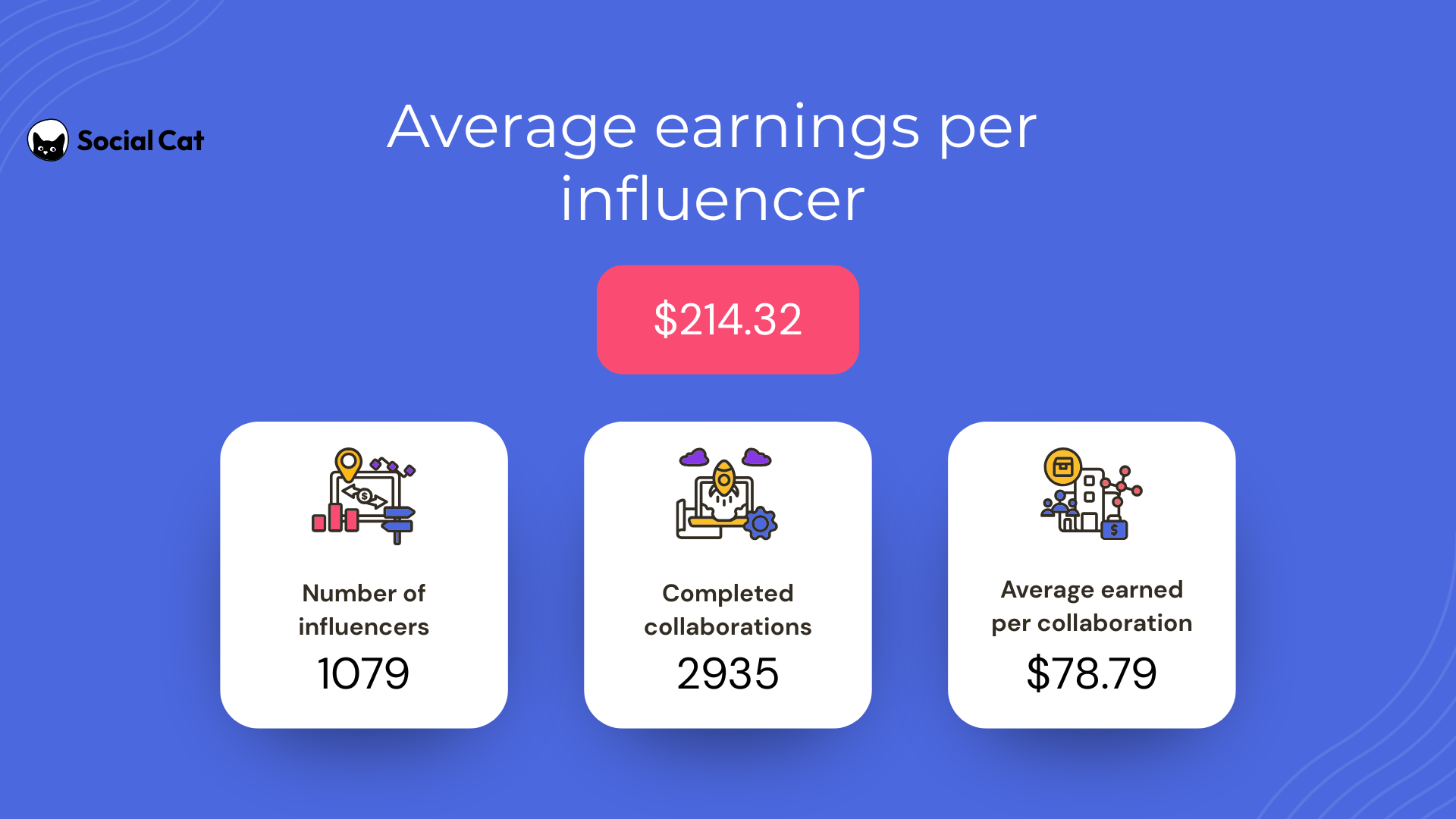
Platforms like Social Cat see this every day. Many influencers begin with a few hundred or a few thousand followers, collaborate with brands through gifting or small campaigns, and build momentum from there. You don’t need to be famous to get started — you need to be reliable and authentic.
This guide will walk you through:
- What becoming an influencer really involves
- What Reddit users get right (and wrong) about the process
- How to start from zero without pretending it’s easy
- And how beginners actually grow today
No hype. No shortcuts. Just a clear path forward.
Let’s break it down.
Can You Really Become a Social Media Influencer With No Experience?
The short answer is yes. The more honest answer is that experience is something you build, not something you need upfront.
One of the biggest myths around becoming a social media influencer is that you need a background in marketing, content creation, or social media strategy before you start. In reality, most influencers begin with none of that. They don’t have a playbook, brand contacts, or a clear growth plan on day one. What they do have is a willingness to post, learn, and keep going when results are slow.
This perspective shows up repeatedly in Reddit discussions, especially in communities like
r/socialmedia and
r/influencermarketing, where creators tend to be far more honest than on polished blogs or YouTube videos.
When people ask whether it’s realistic to become an influencer with no experience, the answers are rarely sugarcoated — but they’re not dismissive either. One common response captures the tone perfectly:
“I’m doing okay, but it’s not easy.”
— Reddit user, r/socialmedia
That sentence reflects what many beginners eventually realize. Becoming an influencer is possible, but it takes time, repetition, and patience. There’s no shortcut where experience magically appears. You gain it by creating content, seeing what works, and improving in public. Keep in mind that you can use all sorts of AI generators, nowadays.
Another important theme that comes up often on Reddit is that beginners focus on the wrong metric. Many people assume that experience equals having a large follower count, but that’s no longer how brands evaluate creators.
As one Redditor explained in a discussion about influencer growth:
“Engaged being the key word there — a large number of followers doesn’t always mean you’ll get tons of sales.”
— Reddit user, r/socialmedia
This shift matters. Today, brands care much more about engagement, authenticity, and audience trust than raw follower numbers. That’s why micro- and nano-influencers are increasingly in demand, even if they’ve only been creating content for a short time.
You can see this reflected in platforms like Social Cat, where many influencers start collaborating with brands while still growing their audience. Some begin with a few hundred or a few thousand followers, gain experience through gifting campaigns or small collaborations, and build confidence as they go. They don’t wait until they feel “ready” — they learn by doing.
Reddit users also tend to warn against chasing the influencer title itself. In threads discussing whether influencing is “worth it,” experienced creators often point out that people who focus only on becoming famous burn out quickly.
The creators who last are usually the ones who:
- enjoy the content they’re making,
- stay consistent even when growth is slow,
- and treat influencing as a skill they’re developing, not an identity they’re chasing.
So yes, you can become a social media influencer with no experience. Just don’t expect experience to come before action. It comes from posting, testing, learning, and staying consistent long enough to see results.
Next, let’s look at what Social Cat gets right — and where it can sometimes be misleading — about becoming an influencer.
What Social Cat Gets Right (and Where the Reality Is More Nuanced)
At Social Cat, we work daily with influencers at every stage — including creators who are just starting out with little or no experience. Because of that, we see a clear pattern between expectations and reality when it comes to influencer growth.
What often surprises beginners is how closely their experience matches what people openly discuss on Reddit. The difference is that, at Social Cat, we don’t just see the frustrations, we also see what actually works.
Let’s break down what aligns between real creator experiences and what we see on the platform, and where the reality is more balanced than it sometimes appears online.
What Social Cat and Real Creator Experience Agree On
Influencer marketing is real work.
This is one of the most consistent truths we see. Creating content, staying consistent, engaging with an audience, and collaborating with brands requires effort and discipline. It’s not passive income, and it’s not instant.
That reality is often echoed in online discussions, especially in communities like:
https://www.reddit.com/r/socialmedia/
https://www.reddit.com/r/influencermarketing/
Creators frequently point out that influencing involves far more behind-the-scenes work than people expect:
“It takes a lot more work than people think.”
From our perspective at Social Cat, this aligns perfectly with what brands look for. Brands value creators who treat influencing seriously — those who show up consistently, communicate clearly, and deliver content on time.
Engagement matters more than follower count.
One of the biggest misconceptions new influencers have is that they need a massive audience before they can collaborate with brands. In reality, many of the most successful collaborations on Social Cat involve micro- and nano-influencers with highly engaged audiences.
This matches what creators frequently point out online:
“A smaller, engaged audience is worth more than a big one that doesn’t care.”
From a brand’s point of view, relevance beats reach. A creator with a smaller, focused audience often delivers better results than a large account with low engagement. That’s why many influencers on Social Cat start collaborating early — sometimes with just a few thousand followers — and build experience from there.
Consistency is what unlocks momentum.
Another area where real-world results and creator experiences align is consistency. At Social Cat, we see that creators who show up regularly are far more likely to attract brand interest over time.
This mirrors what many creators share online: growth often takes months of steady posting before anything meaningful happens. That early phase can feel discouraging, but it’s where habits, skills, and credibility are built.
Where the Reality Is More Balanced Than It Sometimes Sounds Online
While realism is important, one thing we’ve noticed is that conversations about influencing can sometimes lean too far into discouragement.
Beginners are occasionally told that:
- influencing “isn’t worth it,”
- only a tiny percentage succeed,
- or that it’s better not to try at all.
Those opinions often come from burnout or unmet expectations — not from a lack of opportunity.
What’s usually missing is context. Many creators who struggle do so because they:
- never defined a clear niche,
- posted inconsistently,
- or expected fast results without learning the basics.
At Social Cat, we regularly see creators succeed without being famous. They don’t have millions of followers. They have clarity, consistency, and an audience that trusts them.
Micro-influencers in niches like fitness, beauty, tech, food, and local content collaborate with brands every day. This middle ground — between “overnight success” and “not worth trying” — is where most sustainable influencer growth actually happens.
The Social Cat Perspective
The reality is this: influencing isn’t a shortcut, but it is accessible.
If you approach it as a skill you’re developing — not a lottery ticket — the process becomes far more manageable. Focus on building trust, engaging real people, and improving over time. That’s when opportunities start to appear.
At Social Cat, we’ve seen countless influencers start small, collaborate early, and grow steadily by doing the basics well. And that’s exactly the path most beginners should aim for.
Realistic expectations, consistent effort, and the right opportunities make all the difference.
Step 1: Choose a Niche (This Is Where Most Beginners Go Wrong)
One of the biggest reasons new influencers struggle is trying to appeal to everyone at once. It often starts with vague goals like “posting lifestyle content” or “being a fitness influencer.” While that sounds flexible, it usually creates confusion — both for the creator and the audience.
When your content is too broad, people don’t know why they should follow you. At the same time, social platforms don’t know who to show your content to. Without a clear focus, growth tends to stall early.
As one creator explained in a discussion about stalled growth on r/socialmedia:
“I didn’t see any real growth until I stopped posting ‘general content’ and focused on one specific thing people could recognize me for.”
A niche gives your content direction.
Choosing a niche doesn’t mean limiting yourself. It means making it easier for the right people to find you. Instead of creating generic content that blends in with millions of posts, you’re creating content that speaks directly to a specific audience with specific needs, interests, or problems.
For example, there’s a big difference between:
- posting about fitness in general, and
- sharing short home workouts for busy parents with limited time.
Both fall under “fitness,” but only one immediately communicates who the content is for.
Another point that comes up often in influencer marketing discussions is that beginners tend to overthink niche selection. Many creators assume they need to lock in a perfect niche from day one, which often leads to hesitation instead of action.
In threads on r/influencermarketing about getting started, creators often share advice like:
“Your niche doesn’t have to be perfect. It just has to be clear enough that people know why they’re following you.”
A strong niche usually sits at the intersection of three things:
- something you’re genuinely interested in,
- something you can talk about consistently,
- and something other people actually care about.
This is where many beginners hesitate. They worry they’re not “expert enough” or that their niche is too small. Real-world creator experiences suggest the opposite. You don’t need to be the best in your niche — you need to be relatable and consistent.
That’s why many beginner influencers grow by documenting their journey rather than teaching from the top. Learning a skill, improving your health, building a business, or changing your lifestyle can all become valuable content. Your experience becomes the value.
This also ties directly into brand collaborations. Brands don’t just look for reach — they look for relevance. On platforms like Social Cat, brands often search for creators in very specific niches because they want their products shown to the right audience, not the biggest one.
That perspective matches what creators often mention in brand-collaboration discussions on Reddit:
“Brands care more about whether your audience fits than how big it is.”
Choosing a niche early helps with content clarity, audience trust, algorithm signals, and long-term brand opportunities. You can always evolve your niche later — many successful influencers do. But starting without any niche at all usually leads to slow growth and frustration.
Once your niche is clear, the next big decision is where to post. Let’s look at how to choose the right platform without spreading yourself too thin.
Step 2: Pick the Right Platform (Don’t Try to Be Everywhere)
One of the most common beginner mistakes Reddit users warn about is trying to grow on every platform at the same time. Instagram, TikTok, YouTube, X, LinkedIn — it’s tempting to post everywhere and hope something sticks. In reality, that usually leads to burnout and inconsistent content.
Reddit advice tends to be very clear on this point: pick one main platform and learn it properly.
In discussions on r/socialmedia, experienced creators often mention that real growth only started once they focused on a single platform instead of spreading their energy too thin. Each platform has its own culture, content formats, and algorithm preferences. What works on TikTok won’t necessarily work on Instagram, and YouTube plays by completely different rules.
Choosing the right platform isn’t about chasing trends — it’s about matching the platform to your niche, your personality, and how you like to create content.
For example, short-form video platforms like TikTok and Instagram Reels tend to favor:
- fast-paced, engaging content,
- trends and repeatable formats,
- creators who post frequently.
YouTube, on the other hand, rewards:
- longer, more in-depth content,
- consistency over time,
- and creators who build trust slowly.
LinkedIn has become a strong option for people in business, marketing, or professional niches, where influence is built through ideas and experience rather than entertainment.
Reddit users often remind beginners that you don’t need to be great on day one. You need to be consistent enough to learn what works. That’s much easier when your focus is on one platform.
Another important point that comes up in Reddit threads is that early traction doesn’t always look like viral growth. Sometimes it’s just a handful of people engaging with your posts regularly. That’s a good sign — not a bad one.
This is also where brand collaboration platforms come into play. Many beginner creators worry they’re “too small” to be taken seriously, but that’s not always the case. Platforms like Social Cat work with influencers across different platforms and follower sizes, as long as the audience and content make sense for the brand.
So instead of asking, “Which platform will make me famous fastest?”, a better question is:
“Which platform can I show up on consistently for the next six months?”
Once you’ve chosen your platform, the next challenge is the hardest one mentally — creating content when almost no one is watching. Let’s talk about that.
Step 3: Create Content Even When No One Is Watching
This is the stage where most people quit.
When you start creating content with no experience, your first posts will likely get very little attention. Few views, no comments, maybe a couple of likes from friends. This is normal — and it’s also where influencer growth actually begins.
The biggest mistake beginners make is assuming low engagement means they’re doing something wrong. In reality, early content is not about performance. It’s about practice.
Influencing is a skill. Like any skill, it improves through repetition. Filming, writing captions, speaking on camera, editing, understanding pacing — all of this gets better only by doing it regularly. Waiting until you feel confident usually means waiting forever.
Many experienced creators point out that their early content was objectively bad. That’s not something you see when you scroll through successful profiles today, but it’s part of almost every growth story. The difference is that they kept posting long enough to improve.
At this stage, the goal is not to go viral. The goal is to:
- get comfortable creating,
- understand what your platform favors,
- and start building a habit.
One effective approach for beginners is to focus on content types that don’t require you to act like an expert. Educational content is great, but it’s not the only option. Documenting your journey — learning a skill, improving your lifestyle, building a routine — is often more relatable and easier to sustain early on.
Consistency matters more than perfection. Posting something imperfect on schedule teaches you more than posting something “perfect” once a month.
This is also where many creators underestimate how long it takes to build momentum. Algorithms need signals. They need to understand who your content is for and how people respond to it. That only happens after you publish enough content for patterns to emerge.
From a practical standpoint, this is why many beginner influencers eventually start getting brand interest once they’ve built a small but consistent content library. Platforms like Social Cat don’t look for flawless creators — they look for creators who show up, post regularly, and have a clear audience.
If you can push through the early phase where no one is watching, you’re already ahead of most people who try to become influencers.
Next, let’s talk about why consistency matters more than talent, and how sticking to a simple schedule can accelerate growth even with no experience.
Step 4: Consistency Beats Talent (Every Time)
Talent helps, but consistency is what actually builds influence.
One of the biggest misconceptions about social media growth is that successful influencers are simply more charismatic, more creative, or more confident than everyone else. In reality, the biggest difference is usually much simpler: they kept going when others stopped.
When you’re starting with no experience, consistency does two important things at the same time. First, it gives you more chances to improve. Second, it gives platforms enough data to understand your content and show it to the right people.
Social media algorithms don’t reward occasional effort. They reward patterns. Posting once every few weeks makes it hard for any platform to figure out who your audience is or when to surface your content. Showing up regularly — even with average content — is far more effective than posting something “great” once in a while.
This doesn’t mean you need to post every day. It means you need a schedule you can realistically maintain. For some creators, that’s three short videos a week. For others, it’s one long-form video or a few posts spread across the week. What matters is that your audience — and the platform — can rely on you to show up.
Consistency also builds trust. People are more likely to follow and engage with creators who feel present and active. Even small audiences respond better when they see a creator showing up regularly, improving, and staying engaged.
From a brand perspective, consistency is one of the first things companies look at when evaluating influencers. Brands want predictability. They want to know that if they collaborate with you, content will be delivered on time and aligned with expectations. This is why many creators with modest followings still land opportunities through platforms like Social Cat — they’re consistent, clear in their niche, and reliable.
It’s also important to understand that consistency doesn’t mean repeating the same content forever. It means experimenting within your niche. Trying different hooks, formats, and angles while staying focused on the same audience helps you learn faster without confusing your followers.
If you’re choosing between spending hours perfecting one post or publishing something solid and moving on, choose the second option. Progress comes from momentum, not perfection.
Next, we’ll look at why engagement is your real superpower, especially when you’re starting small.
Step 5: Engagement Is Your Real Superpower
When you’re starting with no experience, engagement matters far more than reach.
It’s easy to think influence comes from having a large audience, but influence actually comes from how people interact with you. Likes, comments, replies, shares, and conversations are signals that your content resonates. These signals are what platforms and brands pay attention to — especially when your following is still small.
Early on, engagement is also one of the few things you can control. You can’t control whether a post goes viral, but you can control how you respond to comments, whether you start conversations, and how present you are in your community.
This is why many small creators grow faster than expected. They treat their audience like people, not numbers. They reply to comments thoughtfully, ask questions in captions, and create content that invites interaction rather than passive scrolling.
Engagement also helps platforms understand your content better. When people comment, save, or share your posts, algorithms get stronger signals about who might enjoy your content next. That feedback loop is especially important when you’re still building your presence.
From a brand perspective, engagement is often more valuable than follower count. A creator with a few thousand followers who sparks real conversations can be more effective than a creator with a much larger but passive audience. This is why many brands work with micro- and nano-influencers through platforms like Social Cat, engagement shows intent, trust, and authenticity.
Another benefit of strong engagement is that it builds confidence. When you’re interacting with real people who appreciate your content, it becomes easier to stay consistent and motivated. You’re no longer posting into the void, you’re building relationships.
At this stage, growth often looks small but meaningful. A handful of regular commenters, recurring viewers, or people who recognize your content is a sign that influence is starting to form.
Now, let’s talk about collaboration, and why you don’t need to wait until you’re “big enough” to work with brands or other creators.
Step 6: Collaborate Before You Feel “Big Enough”
One of the most common mistakes new influencers make is waiting until they feel “qualified” to collaborate. They assume brand deals, partnerships, or collaborations only happen after hitting a certain follower count. In reality, collaboration often accelerates growth — it doesn’t come after it.
Influencer marketing today isn’t limited to large creators. Many brands actively look for smaller influencers who have a clear niche and an engaged audience. These creators often feel more authentic, more relatable, and more cost-effective for brands, especially in early-stage campaigns.
This is where beginner-friendly collaborations come in. Gifting campaigns, product seeding, and small paid collaborations allow new influencers to gain real experience without needing a massive audience. You learn how brand partnerships work, how to follow briefs, and how to create content with a purpose — all while continuing to grow your profile.
For creators with no experience, this is also how confidence builds. Working with a brand, even on a small campaign, turns influencing from an abstract idea into something tangible. You start to understand timelines, expectations, and communication — things you can’t learn by watching from the sidelines.
Many influencers on the platform start with relatively small followings and build experience by collaborating early. Brands on these platforms aren’t just looking for reach — they’re looking for relevance, consistency, and creators who take the work seriously.
Collaboration doesn’t have to start with brands either. Working with other creators in your niche can expose your content to new audiences and help you learn faster. Whether it’s joint videos, shoutouts, or shared projects, creator-to-creator collaboration builds momentum and makes the process less isolating.
The key mindset shift is this: you don’t become “ready” and then collaborate. You collaborate, and that’s how you become ready.
Let’s set realistic expectations by answering an important question most beginners have — how long does it actually take to become an influencer?
Step 7: How Long Does It Actually Take to Become an Influencer?
This is one of the most common — and most uncomfortable — questions beginners ask. The honest answer is that there’s no fixed timeline, but there are clear patterns.
Becoming a social media influencer doesn’t usually happen in weeks. It happens over months of consistent effort, learning, and adjustment. Anyone promising instant results is skipping over the part where most people quit.
For most beginners with no experience, the first phase is about foundation, not growth. During the first few months, you’re learning how to create content, how your platform works, and what your audience responds to. Progress here often feels invisible, but it’s essential.
Around the three-month mark, many creators start noticing small signs of traction. This might look like a few posts performing better than others, recurring viewers or commenters, or a slow but steady increase in followers. It’s not explosive growth — but it’s feedback.
Between six and twelve months, things usually become clearer. Creators who stayed consistent often have:
- a defined niche,
- a recognizable content style,
- and a small but engaged audience.
This is also the stage where many influencers land their first collaborations. Not necessarily big paid deals, but gifting campaigns, UGC opportunities, or entry-level partnerships. Platforms like Social Cat frequently see creators start collaborating at this stage, even if their follower count is still relatively modest.
It’s important to understand that timelines vary wildly. Some creators grow faster because their niche, platform, or content format aligns perfectly with trends. Others grow slowly but steadily and still build meaningful influence over time.
What matters more than speed is direction. If your content is improving, engagement is increasing, and you’re learning from what you post, you’re moving forward — even if it doesn’t feel fast.
One of the biggest reasons people don’t become influencers isn’t lack of talent or opportunity. It’s quitting too early because results didn’t come on their imagined schedule.
If you approach influencing as a long-term skill rather than a short-term win, the timeline becomes far less frustrating — and far more realistic.
Now, let’s take a look at common beginner mistakes that slow growth and how to avoid them early.

When Can You Start Making Money as an Influencer?
Making money is often the unspoken goal behind becoming an influencer, but it’s also where expectations tend to be the most unrealistic. The truth is that monetization doesn’t start at a specific follower number — it starts when you can influence decisions, even on a small scale.
Many beginners assume they need tens of thousands of followers before earning anything. In reality, creators often start monetizing much earlier, especially if they’re in a clear niche and have an engaged audience. Brands care less about how many people follow you and more about whether your audience listens to you.
For new influencers, the first income opportunities usually come from:
- affiliate links,
- gifting or product collaborations,
- and user-generated content (UGC) created for brands.
Affiliate marketing is often the easiest entry point. When people trust your recommendations, they’re willing to click links and try products, even if your audience is small. Gifting campaigns work similarly — brands send products in exchange for content, giving you both experience and social proof.
UGC creation is another path many beginners overlook. You don’t need a large audience to create content for brands. If you can produce quality photos or videos that brands can use in their own marketing, that skill alone can generate income.
Platforms like Social Cat make this process more accessible by connecting brands with influencers at different stages. Many creators on the platform begin monetizing through gifting or small campaigns before transitioning into paid collaborations as their experience and confidence grow.
It’s important to understand that early monetization isn’t about making a full-time income. It’s about learning how collaborations work, building credibility, and proving to yourself that influencing can turn into something real.
Once monetization begins, even at a small level, motivation often increases. You stop seeing content creation as “posting into the void” and start seeing it as a skill that can grow over time.
Let’s clear up a common source of confusion by explaining the difference between influencers, content creators, and UGC creators — and why it matters for beginners.
Influencer vs Content Creator vs UGC Creator: What’s the Difference?
When you’re just starting out, the terms influencer, content creator, and UGC creator are often used interchangeably. While they overlap, they’re not the same thing — and understanding the difference can help you choose the right path early on.
An influencer is someone who has built trust with an audience and can influence opinions, behaviors, or purchasing decisions. The key factor here isn’t fame, but credibility. Influencers monetize through brand partnerships, affiliate links, gifting campaigns, and collaborations that leverage their relationship with their audience.
A content creator focuses primarily on producing content. This could be educational, entertaining, or inspirational, and it may or may not be tied to brand partnerships. Many content creators eventually become influencers, but not all do. Some are more interested in creative expression than monetization.
A UGC (user-generated content) creator creates content for brands, not necessarily for their own audience. UGC creators might have small followings or none at all. Their value lies in their ability to produce authentic-looking photos or videos that brands can use in ads, websites, or social media.
For beginners with no experience, this distinction is important. You don’t need to choose just one path. Many people start as content creators, build an audience over time, collaborate as influencers, and also take on UGC work for brands.
This flexibility is one of the reasons influencer marketing has become more accessible. Platforms like Social Cat support different types of collaborations, allowing creators to gain experience whether they’re focused on growing an audience or building content skills.
Understanding these roles helps set realistic expectations. You don’t need a massive following to start working with brands. You need clarity about what you’re offering and consistency in delivering it.
To wrap things up, let’s bring everything together with some final advice, grounded, realistic, and focused on long-term growth.
Final Advice: A Realistic Way to Become a Social Media Influencer
Becoming a social media influencer with no experience isn’t about luck, hacks, or going viral once. It’s about building a skill over time and staying consistent long enough for that skill to compound.
Most successful influencers didn’t start with a plan that worked perfectly. They started by posting, learning what didn’t work, adjusting, and repeating that process over and over again. Growth came from momentum, not motivation.
If there’s one mindset shift that makes this journey easier, it’s this: stop thinking in terms of outcomes and start thinking in terms of process. Focus on showing up regularly, improving your content, and engaging with real people. The results follow later.
It also helps to remember that influencing doesn’t look the same for everyone. Some creators build large audiences. Others stay small but highly engaged. Some focus on brand deals, while others earn through affiliates or UGC. All of these paths are valid.
What matters most is that you start with realistic expectations. Influencing is work. It takes time. But it’s also accessible in a way it’s never been before. Brands now actively work with creators at every stage, and platforms like Social Cat exist to help newer influencers gain experience, collaborate early, and grow without needing massive followings.
If you enjoy creating content, learning as you go, and improving over time, you’re already on the right path. Experience will come from action, not before it.
The only real mistake is never starting.
Frequently Asked Questions About Becoming a Social Media Influencer (No Experience)
To strengthen SEO and answer common search intent around how to become a social media influencer with no experience, here are clear, practical answers to questions beginners ask most often.
How many followers do you need to become an influencer?
There’s no official number. Many creators start working with brands with 500–5,000 followers, especially in niche markets. What matters more than follower count is engagement, consistency, and audience relevance. A small but active audience is often more valuable than a large, passive one.
Can you become an influencer without showing your face?
Yes. Many influencers grow accounts without ever appearing on camera. Educational content, voiceovers, screen recordings, text-based videos, photography, and niche pages can all work. What matters is clarity, value, and consistency — not visibility.
Do you need professional equipment to start?
No. A smartphone is enough to begin. Most successful influencers started with basic tools and improved over time. Content quality matters, but authenticity and usefulness matter more early on. Equipment upgrades should follow growth, not delay starting.
Is it too late to become an influencer?
No. Influencers grow at all ages and in all niches. What matters is relevance, not age. In fact, many audiences prefer creators with real-life experience, especially in niches like fitness, business, parenting, or lifestyle.
How do beginners get brand collaborations?
Beginners usually start with:
- gifting campaigns
- affiliate programs
- UGC creation
- small paid collaborations
Platforms like Social Cat help connect brands with influencers at all stages, including creators who are just starting out and building experience.
Is becoming an influencer actually worth it?
It depends on your expectations. If you’re looking for fast money or fame, it’s likely not. If you enjoy creating content, learning, and building something long-term, it can be very rewarding — creatively and financially over time.
Final Takeaway
If you take one thing away from this guide, let it be this:
You don’t need experience to start.
You need consistency to gain experience.
Influencing isn’t about being perfect, popular, or polished from day one. It’s about starting small, improving publicly, and sticking with it longer than most people are willing to.
And that’s something anyone can do — if they choose to start.

Written by
Stefan A.
Stefan is a Growth Marketer turned founder with a background in customer acquisition, Influencer Marketing, and early-stage startups. At Social Cat, Stefan drives day-to-day operations and growth, helping small brands connect with the right influencers to scale their reach and impact.