
Contents
Table of Contents
The entrepreneurial spirit is alive and well, with countless individuals dreaming of launching their own ventures. The appeal is undeniable: greater control over professional trajectories, the potential to set ambitious financial goals, and the promise of a more balanced and fulfilling work-life integration. For brands looking to support budding entrepreneurs or even diversify their own portfolios, understanding the landscape of emerging small business ideas is paramount. This guide explores 100 small business ideas poised for success in 2026, offering a detailed breakdown spanning various sectors, from tech-driven solutions to traditional service industries.
But what if you’re ready to start a business but don’t know what type of services to provide? You’ve come to the right place if you need profitable business ideas. Below, find a detailed breakdown of 100 small business ideas, from financial services to physical labor and creative contracting, to help you chart a path forward.
Before diving into specific ventures, it's crucial to recognize that the path to entrepreneurial success is paved with careful planning and strategic decision-making. Launching a small business requires a thorough assessment of your skills, resources, and the prevailing market conditions. Some opportunities might demand specialized expertise or certifications, while others can be initiated from the comfort of your home with minimal capital. Conversely, certain ventures necessitate dedicated office space and significant financial investment. To ensure alignment between your aspirations and capabilities, consider several key factors before embarking on your entrepreneurial journey.
How to Determine the Best Small Business Idea for You in 2026
Identifying the ideal small business idea requires a thoughtful evaluation of your existing strengths, passions, and market opportunities. It's not just about chasing the latest trends; it's about finding a niche where you can deliver exceptional value and build a sustainable enterprise. Brands can use this framework to identify potential investment opportunities or to develop resources and training programs for aspiring entrepreneurs.
Consider Your Current Skill Set and Credentials
Your existing skills and experience are valuable assets that can provide a significant head start in your entrepreneurial endeavors. For instance, if you possess a background in data analytics, exploring opportunities in data consulting or business intelligence could be a natural fit. Similarly, if you have a passion for sustainable living, launching an eco-friendly product line or a green consulting service could align with your values and expertise.
The key is to leverage your existing knowledge and experience to minimize the learning curve and maximize your chances of success. Consider taking a skills inventory and identifying areas where you excel and enjoy. This can help you narrow down your options and focus on ventures that are a good fit for your capabilities. As you explore your options, consider if you’ll need to secure special licenses (for example, hairstylists and electricians) or if the work requires additional education and credentialing. Don't be afraid to invest in additional training or certifications to enhance your skills and credibility. For example, platforms like Coursera and Udemy offer a wide range of courses that can help you develop the skills you need to succeed in your chosen field.
Determine the Goals of Your Small Business
The objectives you set for your small business will significantly influence the type of venture you pursue and the strategies you employ. Are you seeking to transition out of your current full-time employment and dedicate yourself entirely to your new enterprise? Or are you aiming to generate supplementary income through a part-time business venture that complements your existing work commitments?
Carefully consider the financial aspirations you hold for your business. How much revenue do you realistically hope to generate? How many clients or customers will you need to achieve profitability? And how many hours per week are you prepared to dedicate to your business to make it viable?
Furthermore, it's imperative to consider the capital requirements associated with launching your business, as well as its potential for future growth. Will you need to invest in specialized equipment or make other substantial financial outlays? Do you envision hiring employees and expanding your operations to multiple locations? Creating a formal business plan at the outset is a sound practice, as it will provide a roadmap for navigating the challenges and opportunities that lie ahead.
Study Your Location and Identify What's Most Feasible There
Finding customers and clients is essential to any small business, so conduct a market analysis before you open shop. For instance, your boat cleaning business will be significantly more successful if you live near a coast, and your side hustle as an interpreter will likely be more profitable if you live in a diverse community.
You should also research what businesses already exist. Is there a dearth of dependable landscapers in your market? Is there a glut of professional photographers in your town? Answering these questions will help you determine the viability of your idea.
Decide if You Want to Run a Business Online or In Person
The digital age has created many opportunities for entrepreneurs to run a business from behind a laptop, meaning their enterprise can go wherever they choose. That’s not for everyone, though. If you want to run a brick-and-mortar shop at the heart of your community or are more comfortable interacting with customers and clients in person, launch a business that will allow you to achieve those goals.
100 Small Business Ideas for 2026
Here's an extensive list of top small business ideas to consider in 2026, categorized for easier navigation. Each idea includes considerations for success in the evolving business landscape.
Financial and business services
1) AI-powered accounting & tax services
This is bookkeeping + tax readiness, upgraded with automation so you close books faster and clients stop living in financial uncertainty. Most small businesses don’t care that it’s “AI.” They care that their books are accurate, taxes don’t surprise them, and they can see what’s happening without chasing receipts.
A simple way to package it is as a monthly system: ongoing categorization + reconciliations, a consistent month-end close, and a short monthly report that answers real questions (profit, cash, top expenses, what changed). Then add a “tax-ready layer” where you track deductions, keep documentation organized, and maintain a clean handoff package for tax season.
“They’re not buying spreadsheets — they’re buying peace of mind.”
2) Virtual CFO services
A virtual CFO is decision support. Founders pay for someone who can look at the numbers and translate them into choices: what they can afford, what to stop doing, when to hire, what budget makes sense, and how long the runway really is.
The most sellable version is a recurring monthly cycle: update actuals → update forecast → do a strategy call → leave them with next steps. If you want to go deeper, you can build budgets, define KPIs, set targets, and create a simple dashboard that stays consistent month to month. This service gets dramatically easier (and more valuable) when you specialize in a business type, because the models repeat.
What you actually do
- Turn messy financials into a clear monthly story: what changed, why it changed, and what to do next.
- Build a simple forecast model (cash + revenue + expenses) so the founder can see runway and hiring capacity.
- Create a KPI set that matches the business model (not generic metrics).
What makes this valuable
- Founders usually feel like they’re doing fine until cash tightens. A vCFO surfaces risk early.
- The best vCFO work reduces “big surprise months” and replaces them with predictable planning.
Common deliverables
- Monthly close review + “founder dashboard”
- 12-month forecast + scenario planning (best/base/worst)
- Budget targets + variance analysis
- Hiring plan and break-even analysis
Who buys it
- Startups with revenue but no finance leader
- Agencies/SaaS/e-commerce brands scaling from “founder-led” to “team-led”
“A CFO isn’t a cost. It’s a decision-making system.”
3) Blockchain consulting
Blockchain consulting only works when it’s tied to a concrete operational problem: audit trails, document integrity, provenance tracking, or multi-party recordkeeping where trust is hard. If you can’t clearly explain what process improves, it won’t survive procurement.
A strong engagement starts small: assess whether blockchain is actually needed, map the current flow of data, and identify the trust or tampering risk. Then propose a pilot that proves value quickly (one workflow, one data source, measurable outcome), followed by implementation and training if the pilot succeeds.
Where it actually fits
- Audit trails where records can’t be “quietly edited”
- Provenance tracking (origin, ownership, chain-of-custody)
- Multi-party workflows where no single party should control the ledger
What you do in practice
- Map the current workflow (who enters data, who approves, where disputes happen).
- Identify the trust failure: tampering risk, reconciliation delays, duplicate records, fraud.
- Decide the architecture: permissioned vs public, integration points, governance rules.
How engagements typically run
- Feasibility + “do we even need blockchain?” assessment
- Small pilot in one workflow (one dataset, one measurable outcome)
- Implementation + training + maintenance plan
Common deliverables
- Use-case memo (problem, why blockchain, why not blockchain)
- Pilot scope + success metrics
- Integration plan + security considerations
“If it’s not solving a trust problem, blockchain is usually overkill.”
4) Sustainability consulting
Sustainability sells best when you frame it as operational efficiency: less waste, fewer costs, better processes, and clearer reporting. Businesses like the brand upside, but the real win is often simpler: packaging that costs less, fewer returns, less energy usage, smoother logistics.
The practical approach is: baseline audit → quick wins → a 90-day implementation plan. That plan can include packaging changes, vendor swaps, process improvements, and staff SOPs, plus a tracking system so the results are visible. When you can quantify improvements (cost saved, waste reduced), it stops being vague and becomes a business initiative.
What you actually improve
• Packaging (materials, sizing, return rates, shipping damage)
• Energy and utilities (HVAC settings, lighting, equipment usage habits)
• Procurement and vendors (swap to better materials or logistics partners)
• Waste streams (recycling, landfill reduction, reuse systems)
A simple project structure
• Baseline audit (where waste/costs come from)
• Quick wins (low effort, immediate savings)
• 90-day plan (bigger changes with owners + timelines)
• Tracking system (so results are measurable, not “vibes”)
Common deliverables
• Sustainability scorecard (current state)
• Cost-saving roadmap
• SOP updates for teams (how to keep the improvements)
• Basic reporting template for stakeholders
Who buys it
• E-commerce brands (packaging + shipping is a big lever)
• Offices/retail spaces trying to cut costs
• Companies needing sustainability reporting
“Sustainability is operations — measured, repeated, improved.”
5) Cybersecurity consulting
Small businesses usually don’t need fancy security. They need the basics done properly: MFA, password policies, device protection, access control, backups, and “what do we do if something goes wrong?” The value is reducing risk without turning the company into a paranoid bureaucracy.
A clean way to deliver this is a security baseline assessment that produces a prioritized fix list, followed by a remediation sprint where you help implement the highest-impact changes. Add a lightweight training workshop (phishing, safe file sharing, basic incident behaviors) and a simple incident response checklist so people don’t freeze under pressure.
What you build
- Communication rules (async vs meetings, response expectations)
- Documentation habits (where knowledge goes, templates, ownership)
- Meeting hygiene (fewer meetings, better agendas, clearer decisions)
- Workflow standards (handoffs, approvals, deadlines, accountability)
What you measure
- Fewer meetings per week
- Faster turnaround time
- Less rework and fewer “where is that?” messages
- More predictable delivery
Typical engagement
- 2–4 week reset (audit + new operating system)
- Adoption support (check-ins, revisions, reinforcement)
- Optional team lead coaching (so it sticks long-term)
Common deliverables
- Remote team playbook
- Meeting templates + async update templates
- Tool usage rules (Slack/Notion/Asana/etc.)
- Role clarity + ownership map
“The best security system is the one your team actually follows.”
6) Business coaching for remote teams
Remote teams don’t usually fail because of distance — they fail because of ambiguity. People don’t know what “done” looks like, where information lives, when to use async vs meetings, or how handoffs should work.
This is where you build a “team operating system”: communication rules, meeting hygiene, documentation habits, and workflow standards. The best versions of this service are measurable: fewer meetings, fewer repeated questions, faster turnaround, less rework. It can be delivered as a reset (2–4 weeks) plus adoption support so the habits stick.
What you build
- Communication rules (async vs meetings, response expectations)
- Documentation habits (where knowledge goes, templates, ownership)
- Meeting hygiene (fewer meetings, better agendas, clearer decisions)
- Workflow standards (handoffs, approvals, deadlines, accountability)
What you measure
- Fewer meetings per week
- Faster turnaround time
- Less rework and fewer “where is that?” messages
- More predictable delivery
Typical engagement
- 2–4 week reset (audit + new operating system)
- Adoption support (check-ins, revisions, reinforcement)
- Optional team lead coaching (so it sticks long-term)
Common deliverables
- Remote team playbook
- Meeting templates + async update templates
- Tool usage rules (Slack/Notion/Asana/etc.)
- Role clarity + ownership map
“Remote doesn’t fail because of distance. It fails because of ambiguity.”
7) Digital transformation consulting
Digital transformation isn’t “buy tools.” It’s redesigning how work moves through a business. Most companies have a messy stack: duplicated tools, manual handoffs, data living in random places, and processes that rely on one person remembering everything.
A strong starting point is a tool + workflow audit: what they use, what’s duplicated, what’s manual, where bottlenecks happen, and what breaks often. Then you run an implementation sprint: consolidate tools, automate repetitive steps, set up clean pipelines (CRM, onboarding, invoicing, support), and add reporting that actually reflects reality.
What you usually find
- Duplicate tools doing the same thing
- Manual handoffs (copy/paste, spreadsheets, reminders)
- Data scattered across emails, docs, and chat
- Processes depending on one person’s memory
How you approach it
- Workflow + tool audit (what exists, what breaks, what’s slow)
- Identify bottlenecks (sales, onboarding, invoicing, support, reporting)
- Implementation sprints (consolidate, automate, standardize)
- Reporting layer (dashboards that reflect reality)
Common deliverables
- Current-state map + future-state map
- Tool stack recommendation + migration plan
- Automations (handoff triggers, reminders, data sync)
- SOPs so the new system doesn’t decay
“Digital transformation isn’t software. It’s how work moves through the business.”
8) E-commerce consulting
E-commerce consulting gets paid when it drives outcomes: conversion rate, AOV, retention, and merchandising performance. A store can look “nice” and still leak money everywhere — bad product pages, confusing navigation, weak checkout, no email flows, or unclear positioning.
The most practical product here is a conversion audit that becomes a prioritized fix plan, followed by an execution sprint where you implement changes and measure impact. After the obvious leaks are patched, the ongoing value becomes testing (PDP improvements, bundles, landing pages) and retention systems (post-purchase, winback, segmentation).
What you build
- Communication rules (async vs meetings, response expectations)
- Documentation habits (where knowledge goes, templates, ownership)
- Meeting hygiene (fewer meetings, better agendas, clearer decisions)
- Workflow standards (handoffs, approvals, deadlines, accountability.
What you measure
- Fewer meetings per week
- Faster turnaround time
- Less rework and fewer “where is that?” messages
- More predictable delivery
Typical engagement
- 2–4 week reset (audit + new operating system)
- Adoption support (check-ins, revisions, reinforcement)
- Optional team lead coaching (so it sticks long-term)
Common deliverables
- Remote team playbook
- Meeting templates + async update templates
- Tool usage rules (Slack/Notion/Asana/etc.)
- Role clarity + ownership map
“Your store doesn’t need more traffic. It needs fewer leaks.”
9) Grant writing services
Grant writing is less “writing” and more “systems + proof.” Clients pay for someone who can find grants they actually qualify for, structure the project narrative, align it with requirements, build budgets properly, and submit on time.
A good workflow is: readiness check (documents, impact story, budget clarity) → grant research + shortlist → application package creation → submission management. This business becomes much easier when you pick a lane (arts, education, community programs, research, small business funding), because the language and requirements start to repeat.
What you do beyond writing
- Identify grants they actually qualify for
- Translate the program into a clear, fundable project narrative
- Build a realistic budget + measurable outcomes
- Manage documents, timelines, and submission details
Typical workflow
- Readiness check (docs, impact story, budget clarity)
- Grant research + shortlist (best-fit opportunities)
- Application package creation (narrative, budget, attachments)
- Submission management + follow-up support
Common deliverables
- Grant pipeline tracker
- Standard org “grant kit” (boilerplate, impact metrics, bios)
- Budget templates
- Submission calendar
“Winning grants is less ‘writing’ and more ‘systems + proof.’”
10) Financial literacy education
Financial literacy education sells when it’s practical and system-based, not motivational. People don’t need to be told “save more.” They need a repeatable method for budgeting, debt payoff, emergency funds, and investing basics — plus templates and practice.
This can work as workshops for companies, short programs for founders, or cohorts for individuals. The differentiator is giving people a simple framework and making them apply it live (so they leave with a working plan, not notes). If you pair learning with accountability, completion and results go up fast.
What people actually want
- A simple budgeting method they’ll stick to
- Debt payoff structure (and how to prioritize)
- Emergency fund plan
- Investing basics without overwhelm
- Templates + a routine that makes it automatic
How to make it effective
- Teach one framework (simple and repeatable)
- Apply it live during the session (so they leave with a working plan)
- Add accountability (weekly check-ins or cohort structure)
Common formats
- Team workshops (employee financial wellness)
- Founder finance bootcamps (cash flow + personal runway)
- Cohorts for individuals (habit-based learning)
Common deliverables
- Budget template + tracking method
- Debt payoff planner
- “Monthly money routine” checklist
- Mini assessments to track progress
“Financial literacy isn’t knowledge. It’s behavior with a plan.”
11) Crypto investment consulting
This is about risk management and decision frameworks more than “picking coins.” The best version helps clients define exposure limits, time horizon, custody/security practices, rebalancing rules, and scenario planning — so they don’t gamble emotionally.
Be careful here: in many countries, giving investment advice can be regulated, and the compliance requirements can be serious. A safer positioning is education + portfolio policy + risk controls (and partnering with or becoming properly licensed if you want to provide regulated advice).
What people actually want
- A clear rule for how much crypto to own (so they stop guessing)
- A risk plan that prevents panic selling and revenge trading
- Safe custody (so they don’t lose funds to hacks, scams, or bad storage)
- A simple rebalancing routine (so decisions aren’t emotional)
- “What if…” scenarios (so volatility doesn’t feel like chaos)
How to make it effective
- Build a written crypto policy: allocation limits, position sizing, and rules
- Start with risk + timeline (not coin picks)
- Set security defaults: 2FA, wallet setup, backups, access control
- Use rebalancing triggers (time-based or threshold-based)
- Add guardrails: “No new assets without checklist + cooling-off period”
Common formats
- One-time “Crypto Policy Setup” session + follow-up review
- Monthly/quarterly check-ins (rebalancing + risk review)
- Team training for companies holding crypto (security + governance)
- Education-only program for individuals (avoid regulated advice where relevant)
Common deliverables
- Crypto allocation policy (max exposure, position sizing rules)
- Custody/security checklist + setup plan
- Rebalancing schedule + trigger rules
- Scenario plan (market drop, exchange outage, custody loss prevention)
- “Decision checklist” for buying/selling (to reduce impulsive moves)
“In crypto, your edge is risk control — not predictions.”
12) Business plan services
Business plan services are great because founders don’t just need a document — they need clarity. A good plan forces structure: the problem, the customer, the offer, pricing, go-to-market, operations, costs, and realistic projections.
The strongest deliverable is a plan that can be used in multiple ways: a full version for funding, a shorter “execution plan” for the founder, and a simple financial model (even basic) that ties assumptions to reality. Your value is asking the hard questions, not just writing pretty paragraphs.
What people actually want
- Clarity on what business they’re actually building
- A plan they can execute (not a document that sits in a folder)
- Numbers that feel realistic (revenue, costs, cash needs)
- A story that makes sense to lenders/investors/grant reviewers
- A simple “next steps” roadmap so they stop overthinking
How to make it effective
- Force specificity: customer, offer, pricing, and why they’ll buy
- Write it from the buyer’s perspective (pain → solution → proof)
- Tie every claim to an assumption and a number
- Keep it structured and skim-friendly (headings, bullets, clear logic)
- Produce an execution version (short) and a funding version (detailed)
Common formats
- Funding-ready plan (loans, grants, investors)
- Execution plan (short, action-based, for founders)
- Strategy sprint (2–3 sessions: clarity → plan → numbers)
- Industry-specific plans (more repeatable models, faster delivery)
Common deliverables
- Full business plan document (structured + pitch-ready)
- One-page summary (for quick sharing)
- Basic financial model (assumptions → projections → cash needs)
- Go-to-market plan (channels, messaging, first customers)
- 30/60/90-day action roadmap (what to do next, in order)
“A business plan isn’t a school assignment. It’s a decision filter.”
Manual labor and on-site services
13) Drone-based inspection services
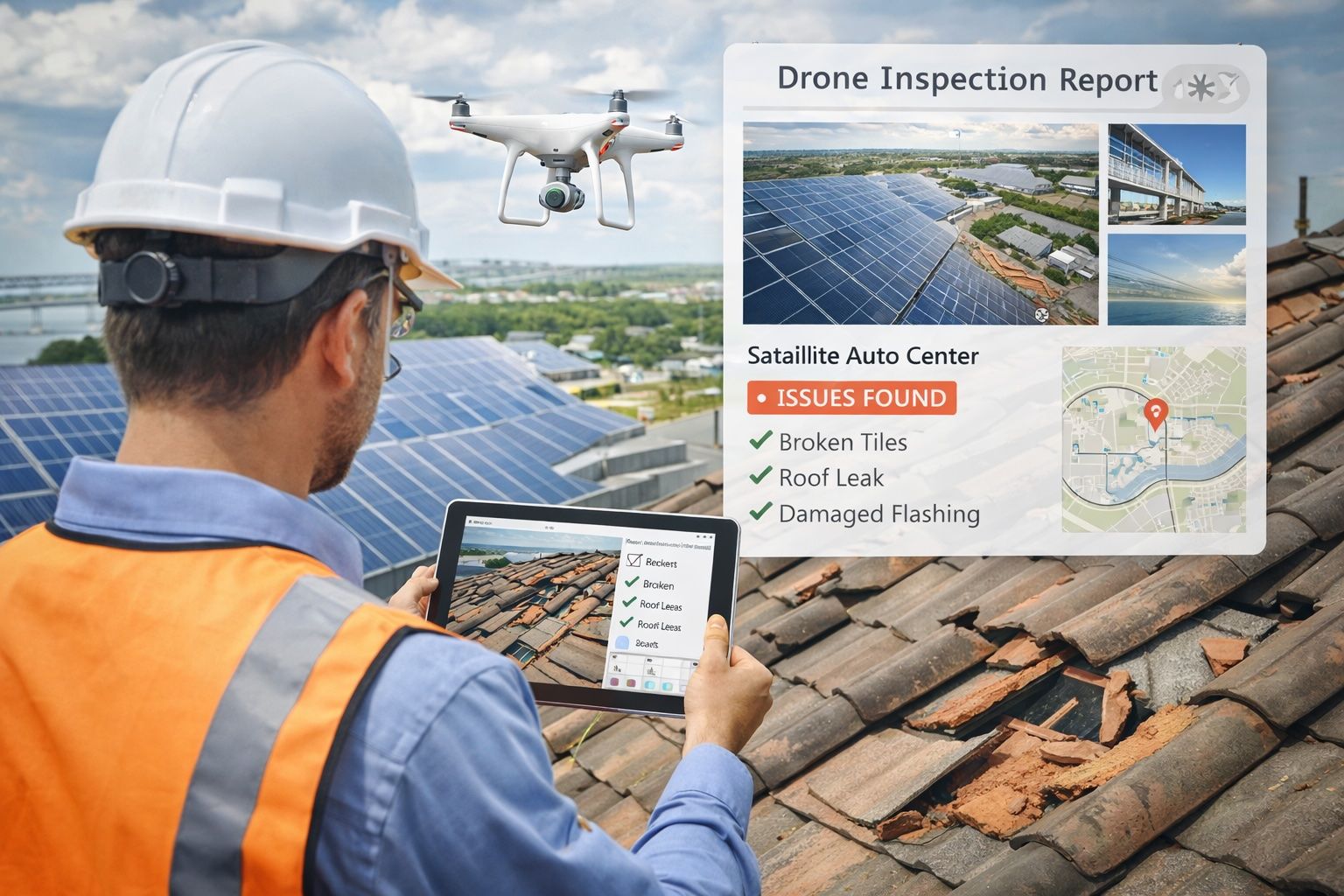
Drone inspections are a practical alternative to ladders, lifts, and risky site walks. You’re capturing high-quality photos/video of roofs, bridges, construction sites, towers, solar farms, or large properties — then turning that footage into a clear “here’s what’s going on” report.
The buyers are usually property managers, roofing companies, builders, real estate teams, and industrial facilities that want faster checks, safer processes, and documentation they can share internally. Your edge is speed and clarity: a tight inspection flow, consistent angles, and a simple reporting format.
What people actually want
- Fast, safe inspection without ladders or lifts
- Clear evidence (photos/video) they can send to insurers, owners, or teams
- A simple “what’s wrong + where + how bad” summary
- Repeatable checks over time (before/after storms, progress updates)
- Documentation that helps them make decisions quickly
How to make it effective
- Standardize your flight paths + camera angles (consistent reporting)
- Turn footage into a short, scannable report (issues + locations + notes)
- Offer quick turnaround (speed is a major differentiator)
- Build a safety/compliance routine (permissions, checklists, backups)
- Save “before/after” records so clients can track changes over months
Common formats
- One-off inspections (storm damage, roof checks, pre-sale/property checks)
- Construction progress updates (weekly/biweekly photo sets)
- Solar farm or large-site inspections (recurring maintenance checks)
- Packages for roofing/real estate partners (volume pricing)
Common deliverables
- Highlight reel (1–3 minutes) + full raw footage option
- Photo set with labeled problem areas
- Inspection report (PDF): summary + issue list + recommendations
- Annotated map or roof grid marking defects
- Before/after comparison sets for repeat visits
“The drone is the tool — the report is the product.”
14) Smart home installation & repair
Most people can buy smart devices. What they can’t do is make everything work together reliably. This business is about setup, troubleshooting, and making a smart home feel invisible (in a good way): stable Wi-Fi, clean device pairing, and automations that don’t randomly break.
Where it gets profitable is being the “go-to person” when something stops working — doorbells, cameras, thermostats, smart lights, sensors, voice assistants. Homeowners want one point of contact, not six app logins and a forum thread.
What people actually want
- Everything working together reliably (not “20 apps and confusion”)
- Strong Wi-Fi coverage and devices that stop disconnecting
- Automations that actually trigger when they should
- One person to call when something breaks
- A setup their family can use without tech support
How to make it effective
- Start with the network (Wi-Fi, router placement, mesh where needed)
- Standardize platforms (reduce incompatible devices and random brands)
- Create a “simple home logic”: routines, scenes, and clear naming
- Document the setup (so you can fix issues fast later)
- Offer maintenance: firmware updates, re-pairing, expansion installs
Common formats
- New-home setup (lights, thermostat, locks, cameras, voice assistants)
- “Fix my smart home” troubleshooting sessions
- Security-focused installs (doorbell, cameras, sensors, smart lock)
- Monthly/quarterly support plans for larger homes
Common deliverables
- Fully configured devices + automations (scenes/routines)
- Wi-Fi coverage check + optimization notes
- Home setup guide (one-pager for the client)
- Device inventory list (models, logins, warranties, locations)
- Support plan (what’s covered + response time)
“Smart homes don’t fail on features. They fail on setup.”
15) EV charging station installation
EV chargers are a growing need for homeowners, small offices, apartment buildings, and hospitality locations. The business is installing charging points correctly, safely, and neatly — and then being available for maintenance, upgrades, and troubleshooting.
The real value isn’t just installing the unit. It’s helping the customer pick the right setup for their property, ensuring the electrical side is handled properly, and leaving them with a simple “how to use it” handover so it doesn’t become a mystery box.
What people actually want
- A charger that works every time and charges at the expected speed
- A clean, safe install that doesn’t look messy on the wall
- Help choosing the right charger for their car + driving habits
- Clear costs upfront (hardware, install, permits if needed)
- Someone to call if it trips, faults, or needs an upgrade
How to make it effective
- Do a pre-check: panel capacity, wiring path, placement, load requirements
- Recommend the right level/setup (home vs business, single vs multiple users)
- Handle permits/coordination where applicable (removes friction)
- Finish with a handover: app setup, charging schedule, troubleshooting basics
- Offer maintenance + expansion for multi-unit properties
Common formats
- Home installs (garage/driveway)
- Small business installs (employee/customer charging)
- Multi-unit installs (apartments/condos)
- Hospitality installs (hotels, venues, rentals)
Common deliverables
- Installed and tested EV charger + safety checks
- Setup walkthrough (app, schedules, access control if applicable)
- Install documentation (photos, notes, warranty info)
- Simple “how to use + what to do if…” guide
- Optional maintenance plan (annual check, upgrades, troubleshooting)
“People don’t buy chargers. They buy convenience.”
16) Vertical farming
Vertical farming is urban crop growing using stacked systems and controlled environments. The business can be selling produce directly (microgreens, herbs, leafy greens), supplying restaurants, or supplying local shops with consistent, fresh inventory year-round.
It works best when you treat it like operations: consistent output, predictable quality, and clear distribution. The economics usually improve when you start narrow with a few high-demand crops, then expand once your system is stable and your buyers are locked in.
What people actually want
- Fresh produce year-round (consistent taste + quality)
- Reliable supply (no “sorry, we’re out this week”)
- Clean, local story they can trust (especially restaurants)
- Predictable pricing and delivery schedule
- Crops that hold up well (shelf life + appearance)
How to make it effective
- Start with a tight crop list (microgreens/herbs/leafy greens that sell fast)
- Build a repeatable growth schedule (so output is steady, not random)
- Track the basics: yield per tray, time-to-harvest, loss rate, costs
- Lock distribution early (subscriptions, restaurant accounts, weekly drops)
- Standardize packaging + labeling (buyers want “plug-and-play” supply)
Common formats
- Direct-to-consumer subscriptions (weekly greens box)
- Restaurant supply (standing weekly orders)
- Local shop/market supply (consistent drops + branded packaging)
- “Grow for hire” contracts (custom crops for chefs)
Common deliverables
- Weekly harvest list + availability sheet
- Packaged produce (labeled, consistent weights)
- Delivery schedule + reorder system
- Simple quality standards (size, freshness, shelf life)
- Optional farm tours/content for brand trust
“In vertical farming, consistency beats variety.”
17) Mobile auto repair
Mobile auto repair wins because it saves customers time. Instead of them losing half a day at a shop, you come to their driveway or workplace for basic maintenance and common fixes — batteries, brakes (where appropriate), oil changes, filters, diagnostics, small part replacements.
People don’t just pay for the repair; they pay for not rearranging their life. Reliability and communication matter as much as technical skill: clear estimates, arrival windows, and leaving the area clean.
What people actually want
- Fixes without losing half their day at a shop
- Transparent pricing before you start
- Fast arrival windows and clear communication
- Repairs done cleanly and safely at home/work
- A mechanic they can trust (and call again)
How to make it effective
- Focus on common, repeatable jobs (battery, brakes, oil, filters, diagnostics)
- Run tight scheduling (arrival windows + updates if delayed)
- Keep a “common parts kit” to avoid second visits
- Use simple inspection checklists (so you catch issues early)
- Offer maintenance reminders (people love “set-and-forget”)
Common formats
- On-demand repairs (same-day/next-day)
- Fleet/light commercial service (small businesses with multiple cars/vans)
- Preventive maintenance visits (monthly/quarterly)
- Pre-purchase inspection visit
Common deliverables
- Written estimate + approval before work
- Quick diagnostic summary (“what it is + why it happened + what next”)
- Service record (date, parts, mileage)
- Before/after photos for proof
- Maintenance schedule recommendations
“Convenience is the premium service.”
18) Sustainable landscaping
Sustainable landscaping focuses on long-term, low-waste outdoor spaces: native plants, smarter watering, soil health, biodiversity-friendly choices, and reducing chemical-heavy maintenance.
It’s attractive to homeowners and businesses that want a yard that looks good but costs less to maintain over time. You can also stand out by educating clients — not with lectures, but with simple “why this works” explanations that build trust.
What people actually want
- A yard that looks good and is easier to maintain
- Lower water bills and fewer dead plants
- Solutions that survive heat/cold and local conditions
- Less chemical use (especially with kids/pets)
- A plan that won’t fall apart next season
How to make it effective
- Design for the local climate (native plants + right plant placement)
- Reduce maintenance with smarter layouts (mulch, ground cover, zones)
- Improve watering efficiency (drip, timers, soil improvements)
- Create a seasonal care plan (simple, realistic routines)
- Educate briefly and clearly (clients buy in when they understand “why”)
Common formats
- Landscape redesign projects (one-time)
- Seasonal tune-ups (spring/fall)
- Water-saving conversions (lawn → native garden)
- Ongoing maintenance plans (low-visit, high-quality)
Common deliverables
- Planting plan + layout
- Watering plan (zones + schedule)
- Plant list with care notes
- Maintenance checklist by season
- Optional “before/after” documentation for referrals
“The best landscaping plan is the one that survives the next season.”
19) Junk removal & recycling
Junk removal looks simple, but the business is really logistics + sorting. Clients want fast pickup, clear pricing, and reassurance that items are handled responsibly — not just dumped.
The companies that win here build repeatable systems: booking flow, arrival communication, efficient loading, and a disposal plan that includes donation and recycling routes. Reputation becomes everything because this is a service people hire when they’re stressed, busy, or moving.
What people actually want
- Fast pickup with no hassle
- Clear pricing (no surprise add-ons)
- A team that shows up on time and respects the space
- Confidence items are recycled/donated properly
- Stress relief during moves/renos/cleanouts
How to make it effective
- Make booking frictionless (photos → quote → confirmed slot)
- Communicate arrival windows + updates
- Sort responsibly (donate/recycle routes, not just dump runs)
- Standardize pricing tiers (small load / half / full + specialty items)
- Build trust with proof (receipts, “where it went” summaries)
Common formats
- Home cleanouts (garages, basements, storage units)
- Move-out / landlord turnovers
- Construction debris pickup (light demo)
- Recurring business pickups (offices, retail, property managers)
Common deliverables
- Upfront quote confirmation
- Fast removal + clean sweep of the area
- Disposal summary (donated/recycled/landfill)
- Optional before/after photos
- Receipt or documentation when needed
“Speed gets you booked. Trust gets you referrals.”
20) Pressure washing services
Pressure washing is one of those businesses where results are instantly visible — and that makes it easy to sell. Driveways, decks, fences, patios, siding, and outdoor furniture are all common jobs, especially seasonally.
Where people mess up is treating it like “just spray water.” The winning version is knowing surfaces, using the right pressure, and avoiding damage, then documenting the before/after so your marketing builds itself.
What people actually want
- Visible results (clean, bright, “like new”)
- No damage to surfaces (wood, siding, paint, stone)
- Quick service with clear pricing
- Before/after proof they can share
- Seasonal upkeep that keeps property looking cared for
How to make it effective
- Know your surfaces (pressure + technique changes everything)
- Offer packages (driveway + walkway + deck, etc.)
- Use before/after photos as your marketing engine
- Schedule around seasons/weather (peak demand windows)
- Upsell responsibly (only what actually needs cleaning)
Common formats
- Residential exterior cleaning (driveways, patios, siding, decks)
- Commercial storefront cleaning
- Property manager packages (multiple units)
- Seasonal maintenance subscriptions
Common deliverables
- Cleaned surfaces + quick walkthrough
- Before/after photos
- Notes on problem areas (mold, algae, staining)
- Maintenance recommendation (how often + why)
- Optional bundle quote for recurring visits
“It’s not cleaning — it’s transformation.”
21) Gutter cleaning & repair
Gutters are boring until they fail. That’s why this is a strong recurring service: cleaning, checking downspouts, fixing small leaks, resecuring sections, and preventing water damage around the foundation.
Customers want someone dependable who shows up on schedule (especially before heavy rains) and gives a simple status update. A clean “we found X, we fixed Y, keep an eye on Z” message makes you look professional and keeps people coming back.
What people actually want
- No leaks, overflow, or foundation water problems
- Someone reliable who shows up when scheduled
- Quick proof the job was done (photos)
- Small fixes handled immediately (loose sections, minor leaks)
- A simple plan for seasonal upkeep
How to make it effective
- Make it recurring (spring/fall is an easy cadence)
- Document everything (before/after + problem spots)
- Include a quick inspection (downspouts, slope, joints, fasteners)
- Offer minor repairs on the spot (clear scope + pricing)
- Educate simply (“this clog causes overflow here”)
Common formats
- Seasonal cleanings (2x/year)
- Storm-prep cleanings (urgent)
- Property manager routes (multi-home schedules)
- Gutter guard checks + maintenance
Common deliverables
- Clean gutters + cleared downspouts
- Photo proof of completion
- Minor repair notes (what was fixed + what to watch)
- Next recommended service date
- Optional quote for upgrades (guards, downspout extensions, resecuring)
“No one celebrates clean gutters — until they don’t have them.”
22) Snow removal services
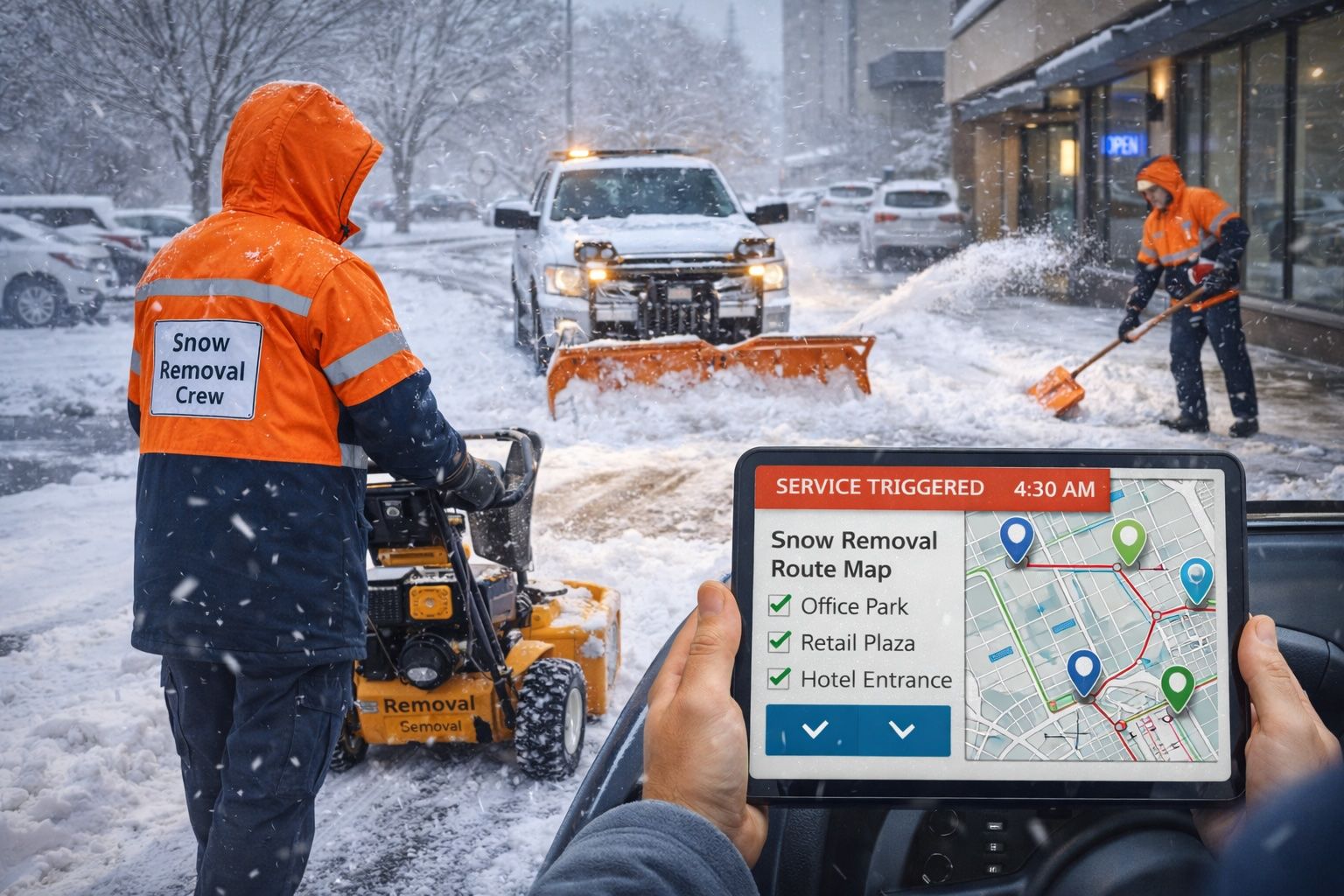
Snow removal is seasonal, but it’s high-urgency and recurring. Driveways, sidewalks, parking lots, and business entrances all need reliable clearing — often early, often fast, and often repeatedly.
This business rewards operations: route planning, response time, clear service boundaries, and a simple system for “when does service trigger?” Clients pay for predictability, not heroics.
What people actually want
- Driveways/sidewalks cleared early (before work/school hours)
- Safe entryways (less slip risk)
- Predictable service triggers (ex: “starts at 2 inches”)
- Fast response during storms (not “we’ll get there sometime”)
- Clear communication when conditions change
How to make it effective
- Route planning is everything (tight zones beat long drives)
- Define boundaries (what’s included: driveway, walkway, porch, salt, etc.)
- Use trigger-based service rules (inches, timing, multiple passes)
- Build a repeatable storm checklist (prep → clear → salt → confirm)
- Offer contracts first, one-offs second (stability > randomness)
Common formats
- Seasonal contracts (residential)
- Commercial contracts (parking lots + entrances)
- Subscription “storm response” plans (per month)
- Pay-per-push services (per clearing)
Common deliverables
- Service agreement with trigger rules
- Route schedule + priority tiers
- Text updates (“started / completed / next pass”)
- Optional salting/ice management add-on
- End-of-storm summary (for commercial clients)
“In snow removal, reliability is the competitive advantage.”
23) Mobile woodworking
Mobile woodworking is custom work brought to the client: measuring, building, and installing on-site when needed. Think shelves, small built-ins, trim fixes, custom fittings, or quick upgrades that homeowners want done without a long renovation.
This works when you’re highly practical: you show up prepared, you protect the space, and you finish clean. People will pay more for someone who communicates clearly and delivers a polished result without dragging the project out.
What people actually want
- Custom pieces that fit their space (not generic furniture)
- Fast turnaround without a full renovation
- Clean install (no mess, no damage, no “unfinished edges”)
- Practical upgrades: storage, shelving, built-ins, trim fixes
- Clear pricing and timeline upfront
How to make it effective
- Show up with a tight process: measure → plan → build → install
- Protect the home (floor coverings, dust control, clean finish)
- Use “standard modules” you can adapt (speeds up quoting + building)
- Document approvals (materials, finish, dimensions) to avoid rework
- Finish like a pro: edges, alignment, caulk/paint touch-ups (when needed
Common formats
- On-site install days (shelves, trim, small builds)
- Built-in packages (entryway, closet, living room storage)
- Repair + upgrade visits (doors, cabinetry, trim, fittings)
- Property manager punch-list woodworking
Common deliverables
- Measurement sheet + sketch/mockup
- Materials + finish options
- Install timeline and site prep checklist
- Final walkthrough + care notes
- Before/after photos (great for referrals)
“Craft matters. But finishing on time matters more.”
24) Mobile knife sharpening
Knife sharpening is a perfect “small, repeatable service” business — especially if you serve households, restaurants, butcher shops, and caterers. Dull knives cost time, create frustration, and can be more dangerous than sharp ones.
What makes this scale is route density and recurring schedules: monthly restaurant runs, neighborhood pop-ups, or partnerships with kitchen stores. The service is simple, but consistency and quality turn it into a dependable local brand.
What people actually want
- Knives that feel “new again” without buying replacements
- Quick service (same day or while they wait)
- Consistent sharpness across all knives
- Trust that blades won’t be ruined
- A recurring schedule so they don’t think about it
How to make it effective
- Build route density (neighborhood days + restaurant runs)
- Offer recurring plans (monthly for restaurants, quarterly for homes)
- Keep standards consistent (angles, testing method, finish level)
- Educate lightly (“how to store + hone so it stays sharp longer”)
- Partner with places that already have foot traffic (kitchen stores, markets)
Common formats
- Restaurant sharpening routes (recurring)
- Neighborhood pop-up days (pre-booked slots)
- Subscription plans (X knives per month/quarter)
- Add-on sharpening for caterers/butchers
Common deliverables
- Price list by knife type (chef, serrated, scissors, etc.)
- Before/after sharpness check (simple demo)
- Pickup/drop-off receipts for restaurants
- Maintenance tips card (storage + honing)
- Recurring schedule reminder system
“A sharp knife is a productivity upgrade.”
25) Solar panel cleaning
Solar panel cleaning is a straightforward service with a clear benefit: cleaner panels can perform better, and regular maintenance can help extend lifespan and keep systems operating efficiently.
Customers like this when it’s professional and safe — correct tools, careful handling, and a quick condition check while you’re there. It also pairs naturally with property maintenance businesses, because the same customers often need gutters, roof checks, or exterior cleaning.
What people actually want
- Better performance (or at least “back to normal”)
- Safe, scratch-free cleaning
- Someone insured and professional on the roof
- Quick condition check (“anything cracked or loose?”)
- Simple scheduling (seasonal reminders)
How to make it effective
- Use the right tools (soft brushes, proper water handling, no damage)
- Offer seasonal plans (spring pollen, summer dust, post-storm checks)
- Combine with light inspection notes (debris, bird nesting, visible damage)
- Make proof easy: before/after photos and a short condition summary
- Bundle naturally with exterior maintenance (gutters/roof/exterior wash)
Common formats
- One-time clean (homeowners)
- Scheduled maintenance plans (2–4x/year)
- Commercial array cleaning (larger sites)
- Property manager packages (multiple homes)
Common deliverables
- Before/after photos of panels
- Quick condition checklist (visible damage, debris, shading issues)
- Maintenance schedule recommendation
- Safety/insurance confirmation for peace of mind
- Optional bundle quote for recurring service
“Solar is ‘set and forget’ — until performance drops.”
Creative and digital work
Now that you have an idea how these businesses are working we're just going to provide a short description, so we don't make this content very "stuffy".
26) AI content creation
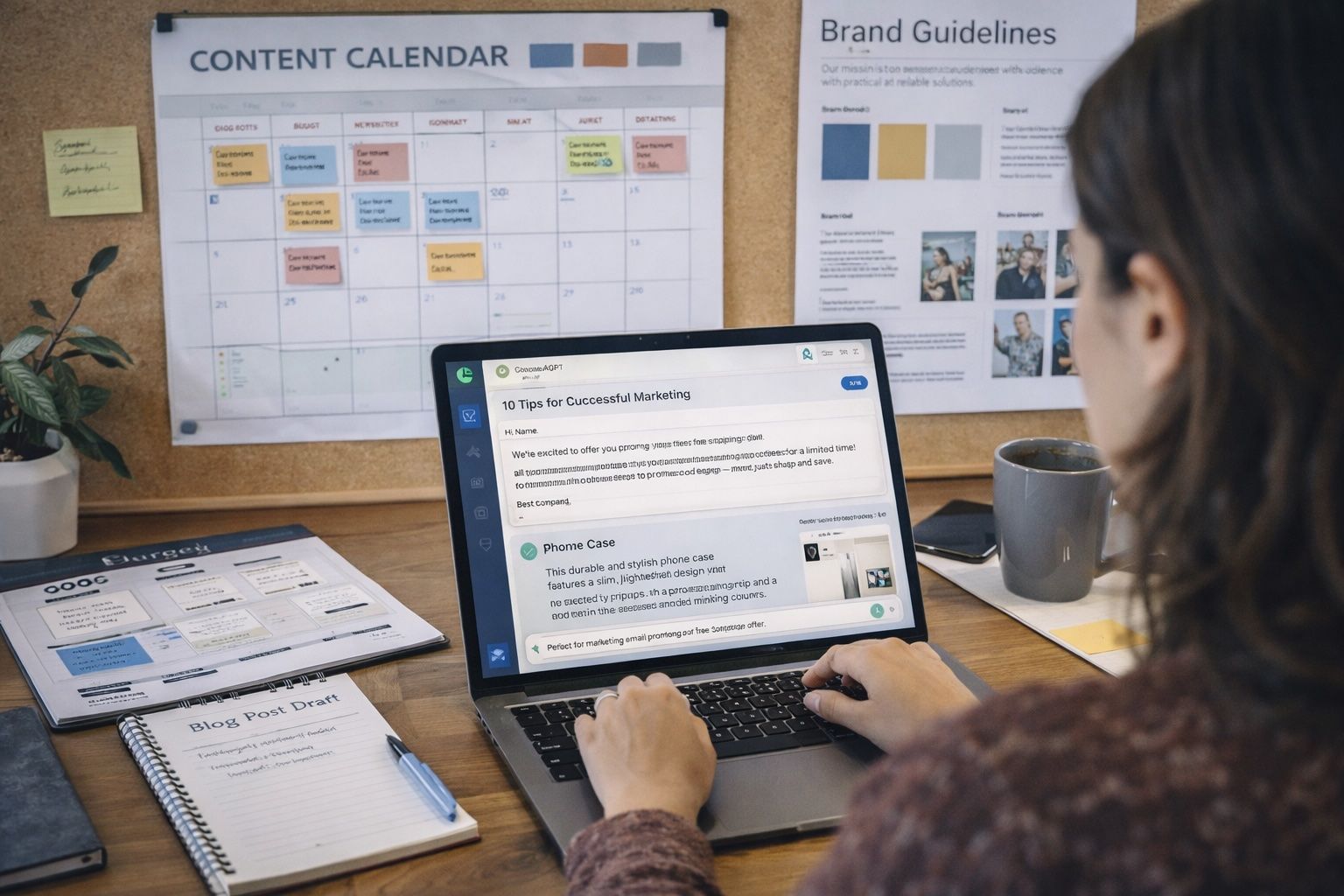
This is content production powered by AI tools — but the business is really “consistent output + brand voice + deadlines.” You help companies publish blog posts, newsletters, LinkedIn posts, product descriptions, or short-form scripts without them needing an in-house writer.
What makes this work is having a process: intake (voice, audience, offers), a repeatable structure, and light human editing so the content doesn’t feel generic. Most businesses don’t need literary brilliance — they need clarity, consistency, and content that sounds like them.
“AI can draft fast. Your job is making it feel real.”
Here is a Social Cat tool that you can use for AI Content.
27) Virtual reality content creation
VR content is used when “learning by watching” isn’t enough. Think employee training, safety simulations, onboarding, product demos, museum experiences, or immersive education.
The opportunity is often in specialized, high-value use cases: training that reduces errors, education that improves retention, or experiences that make a brand memorable. The better you get at building repeatable VR modules (instead of one-off experiments), the more scalable this becomes.
“VR shines when the real world is expensive, risky, or hard to repeat.”
28) Augmented reality app development
AR overlays digital elements onto the real world through a phone or headset. Businesses use it for virtual try-ons, interactive product demos, guided instructions, education tools, and location-based experiences.
The best AR businesses don’t start with “cool tech.” They start with a simple user action: try, preview, measure, learn, or decide. Then AR becomes the fastest way to make that action easier.
“AR works when it removes doubt.”
29) Podcast production services
Podcasting is simple to start and hard to sustain. That’s where production services come in: planning the format, recording setup, editing, sound cleanup, show notes, publishing, and distributing to platforms.
Most clients want their podcast to sound professional without spending hours learning tools. Your value is removing friction and making the show consistent. You can also help them build a repeatable episode workflow so the podcast doesn’t die after six episodes.
“People don’t quit podcasts because they hate them. They quit because the process is messy.”
30) Influencer marketing agency
An influencer agency connects brands with creators and runs campaigns end-to-end: creator selection, outreach, negotiation, briefs, timelines, approvals, delivery, and reporting.
The business isn’t “finding influencers.” It’s managing relationships and execution. Brands pay for fewer headaches, better alignment, and predictable outcomes. A strong agency builds systems: how creators are vetted, how briefs are written, how content is reviewed, how performance is tracked.
“An agency isn’t paid for access. It’s paid for coordination.”
Social Cat can help you with influencers much easier, so starting an influencer marketing agency might not be the greatest option, but we still have to mention it.
31) Digital illustration services
Digital illustration is custom visual work for brands: website graphics, product visuals, ad creatives, social templates, editorial illustrations, icons, packaging elements, and more.
This is a style-driven business. People hire illustrators because your visuals feel unique and recognizable. Clear packages help (ex: “homepage illustration set,” “product icon system,” “social campaign pack”) without turning everything into the same offer spam.
“Stock visuals fill space. Illustration builds identity.”
32) Motion graphics design
Motion graphics are animated assets: logo reveals, explainer visuals, kinetic text, lower thirds, reels intros, product feature callouts, UI animations, and ad elements.
Brands want movement because it grabs attention and explains faster. The strongest motion designers focus on clarity: clean pacing, readable typography, and animations that support the message (not distract from it). Once you have reusable styles and templates, you can deliver quickly and consistently.
“Motion graphics turn information into something people actually watch.”
33) UX design services
UX (user experience) design improves how a website or app works — navigation, layouts, flows, messaging, and usability. The goal is simple: more engagement, fewer drop-offs, more conversions.
This can be a strong business because many companies have traffic but lose people due to friction: confusing pages, slow flows, unclear CTAs. If you can diagnose problems, propose changes, and validate improvements, you become a revenue-linked partner instead of “just a designer.”
“Good UX feels invisible. Bad UX feels like effort.”
34) Web accessibility consulting
Accessibility consulting helps websites work for people with disabilities (and generally improves usability for everyone). It can include audits, fixes, guidelines for designers/devs, and training so teams stop reintroducing issues.
Clients often need help understanding what “accessible” actually means in practice: keyboard navigation, contrast, alt text, semantic structure, captions, forms, and readable UI patterns. This becomes a premium service when you can translate requirements into clear, actionable fixes.
“Accessibility isn’t a feature — it’s part of quality.”
35) Online course creation
Course creation turns expertise into a product: a structured curriculum, lessons, worksheets, and a clear outcome. You can sell directly, bundle with coaching, or create internal training for companies.
The key is picking a tight promise (one clear transformation) and building a course that gets people there without fluff. Most failed courses aren’t “bad content” — they’re unclear, too broad, or missing real implementation steps.
“A good course isn’t more information. It’s a better path.”
36) AI art design
AI-assisted visuals can support brand content: concept art, moodboards, ad imagery, social backgrounds, product mockups, and creative experiments. The business is using AI to speed up ideation and production — while keeping the final output aligned with the client’s brand.
The win is when AI helps you explore options quickly, then you curate and refine into something usable. Clients don’t want infinite images — they want the right ones.
“The value isn’t generating images. It’s choosing the right direction.”
37) Prompt engineering services
Prompt engineering is building reusable prompts and AI workflows that make teams faster: content drafts, customer support replies, sales emails, research summaries, data cleanup, internal SOP generation.
This becomes a real business when you don’t just hand over prompts — you deliver systems: templates, guardrails, examples, and “when to use what” documentation. Companies love it because it turns AI from a novelty into an internal tool people actually adopt.
“Prompts are nice. Workflows are profitable.”
Repair and maintenance
38) Drone repair services
Drones break in predictable ways: prop damage, gimbal issues, calibration drift, battery problems, firmware glitches, cracked frames, or “it fell out of the sky” accidents. A repair business here wins on speed, parts access, and trust — especially for pros who use drones for work and can’t afford downtime.
You can position it as either hobbyist-friendly (fast, affordable fixes) or business-focused (maintenance plans, inspection, replacement parts on hand, turnaround guarantees). The recurring revenue angle is routine servicing: battery health checks, motor wear, calibration, and firmware updates.
“For businesses, the drone isn’t a toy — it’s a tool. Downtime costs money.”
39) Robotics repair
Robotics repair is less about one-off fixes and more about uptime. Robots in manufacturing, logistics, healthcare, and labs need maintenance, sensor troubleshooting, actuator replacements, software diagnostics, and safety checks.
Where you stand out is being the “bridge” between mechanical + electronics + software. Companies don’t want to chase five vendors. They want one person/team who can quickly diagnose whether the failure is electrical, mechanical, or software-related — and keep production moving.
“Robotics repair is really operations support: keep the line running.”
40) 3D printer repair

3D printers are notorious for small problems that stop everything: clogged nozzles, bed leveling issues, adhesion failures, extruder jams, calibration drift, firmware problems, and inconsistent prints.
This business works because users often don’t know whether the problem is hardware, settings, or materials. You offer diagnostic skill plus setup improvements: tune profiles, calibrate properly, maintain hotends, upgrade parts, and teach the customer how to avoid repeat issues.
“People don’t pay for repairs. They pay to start printing again.”
41) Electric scooter repair
Scooters are now common in cities, and repairs are frequent: flat tires, brake adjustments, controller issues, battery degradation, charging port failures, loose stems, and water damage.
A strong scooter repair business feels like a “local service shop”: walk-ins, quick turnaround, clear pricing, and common parts in stock. You can also add seasonal checks (before winter, after winter) and safety inspections.
“Scooters aren’t complicated — but the pain is: nobody wants to be stuck commuting.”
42) Mobile phone & tablet repair
On-site phone repair sells convenience. People hate being without their device, and many fixes are high-demand and repeatable: screen replacement, battery replacement, charging port issues, diagnostics, and basic water damage assessment.
To do this well, you need a clean process: appointment scheduling, transparent pricing, quality parts, warranties, and “data-safe” handling. Trust is the product as much as the repair.
“You’re not fixing a phone. You’re fixing someone’s life logistics.”
43) Computer & laptop repair
This is a steady, practical business: hardware replacements, upgrades (SSD/RAM), OS issues, malware cleanup, overheating, battery problems, broken keyboards, and performance optimization.
It’s especially strong when you serve small businesses: onboarding new devices, backups, security basics, maintenance plans, and emergency support. Many companies don’t want a full-time IT person — they want someone reliable on call.
“The best computer repair is preventive: fewer emergencies, fewer ‘my laptop died’ mornings.”
44) Smart home appliance repair
Smart appliances add a new layer: the issue might not be the appliance itself — it might be Wi-Fi, firmware, app setup, integrations, or sensors. People get stuck when their “smart” fridge, washer, thermostat, or security system becomes… dumb.
This service works when you combine appliance basics with connectivity troubleshooting: pairing, network reliability, firmware updates, hub integration, and replacement of common modules/sensors.
“With smart devices, ‘broken’ often means ‘misconfigured.’”
45) HVAC repair
HVAC is essential and time-sensitive. People call when it’s too hot, too cold, or the system stops working. Typical work: diagnostics, filter/system maintenance, refrigerant issues, thermostat problems, airflow balancing, duct checks, and seasonal servicing.
This becomes a strong business because maintenance is recurring (annual or biannual), and referrals are common. Reliability and clear communication matter as much as technical skill.
“HVAC customers don’t want options. They want comfort — fast.”
46) Plumbing repair
Plumbing repair is always in demand: leaks, clogged drains, broken fixtures, water pressure issues, toilet repairs, pipe problems, and emergency calls.
The business is built on responsiveness and trust. People invite you into their homes when something is going wrong — so punctuality, clear quotes, clean work, and “explain it simply” are the differentiators.
“Plumbing is one of the few industries where problems don’t wait until Monday.”
47) Electrical repair
Electrical work is high-trust and safety-critical: breakers tripping, outlets not working, lighting issues, rewiring, panel upgrades, fault finding, and compliance/safety checks.
This kind of business often grows through reputation and professional standards. Customers don’t shop purely on price — they want someone who feels safe, certified, and careful.
“When electricity is involved, confidence matters more than discounts.”
48) Eco-friendly car detailing
Car detailing is crowded — “eco-friendly” can be your positioning: water-saving methods, biodegradable products, low-VOC cleaners, and practices that reduce runoff. It’s a simple story customers understand and feel good about.
This works best as a premium service: results first, eco second. If the car looks amazing and the process is greener, it’s an easy yes — especially for people who care about sustainability or live in areas with water restrictions.
“Eco detailing only sells if it still looks like a fresh detail.”
49) E-bike repair

E-bikes have two sides: bike mechanics plus electrical systems. Repairs include brakes, tires, chains, and gears — but also batteries, controllers, motor issues, display problems, and wiring.
This category is growing because e-bikes are becoming primary transport for many people. Fast repairs, battery health checks, and “commuter-ready” servicing can become your niche.
“E-bike customers aren’t hobbyists — they’re commuters with deadlines.”
Property and real estate
50) Virtual property staging
Virtual staging is a “make it easy to imagine living here” service. You take empty or cluttered rooms and stage them digitally with furniture, lighting, and decor that fits the target buyer — without the cost and scheduling of physical staging.
This works because listings live and die on the first scroll. Your value is speed + taste + consistency across the whole property (so every room feels like the same home). Good staging isn’t about fancy furniture — it’s about clarity: what the room is for, how big it feels, and how it flows.
“People don’t buy rooms. They buy the feeling of a home.”
51) Short-term rental property management
This is running an Airbnb/Booking listing like a small hotel: guest messages, pricing, calendar management, cleaning coordination, check-in/out, restocking, maintenance, reviews, and problem-solving.
The business wins on reliability and systems. Owners don’t pay you to “answer messages” — they pay you to protect their ratings, reduce vacancies, and keep the place guest-ready without drama. Upside comes from optimizing nightly rates and occupancy, not just doing chores.
“A 5-star rating is operations, not luck.”
52) Home automation installation
Home automation install is making smart homes actually work: choosing devices, installing them cleanly, setting up apps, connecting hubs, creating routines (lights, thermostats, blinds), and making everything stable on the home network.
Most customers aren’t stuck because they can’t buy devices — they’re stuck because the setup becomes a spaghetti mess of Wi-Fi drops, incompatible platforms, and half-working integrations. Your value is simplifying the system and making it reliable.
“Smart homes don’t need more gadgets. They need fewer problems.”
53) Real estate photography + drone footage
Real estate media packages sell attention. You deliver crisp listing photos, walk-through video, and drone shots that show the property context (yard, view, access, neighborhood feel).
This works because better media creates more clicks and more showings — and agents are judged by how professional their listings look. Differentiation is consistency and turnaround: agents often need next-day delivery, clean editing, and a repeatable style that makes their brand look premium.
“Your camera isn’t the product. The first impression is.”
54) Thermal imaging property inspections
Thermal imaging inspections find hidden issues: insulation gaps, air leaks, moisture intrusion, heating/cooling inefficiencies, and sometimes electrical hotspots — things that don’t show up in a normal walkthrough.
The business works when you translate images into decisions: what it means, how serious it is, and what the homeowner should do next. It can fit pre-purchase inspections, energy audits, renovation planning, and “why is this room always cold?” diagnostics.
“Thermal cameras don’t sell. Clear explanations do.”
55) Green building consulting
Green building consulting helps homeowners, builders, and developers make smarter choices: materials, insulation, ventilation, energy systems, water efficiency, and waste reduction — without compromising comfort or budget.
It’s valuable because “eco-friendly” is confusing in practice. Your job is to recommend tradeoffs that actually perform: long-term costs, maintenance, durability, and real-world efficiency. The best consultants are practical, not preachy.
“Sustainability that’s too expensive doesn’t get built.”
56) Smart home security installation
This is installing and configuring cameras, sensors, doorbells, alarms, smart locks, and monitoring — plus making sure the system is reliable and easy for the homeowner to use.
People buy security for peace of mind, so trust and clean installation matter. The recurring angle is monitoring, maintenance, upgrades, and support when something stops working (which always happens at the worst time).
“Security isn’t gear. It’s confidence.”
57) Interior design for small spaces
Small-space interior design is about function first: layouts that create flow, storage that feels invisible, multi-use furniture, lighting that opens the room, and choices that make a compact place feel bigger.
This business works because most people don’t need “luxury design” — they need a practical plan that fixes daily annoyances. Deliverables can be simple: layout options, a shopping list, and a setup plan they can execute.
“Small spaces don’t need more style. They need better decisions.”
58) Home energy audits with smart devices
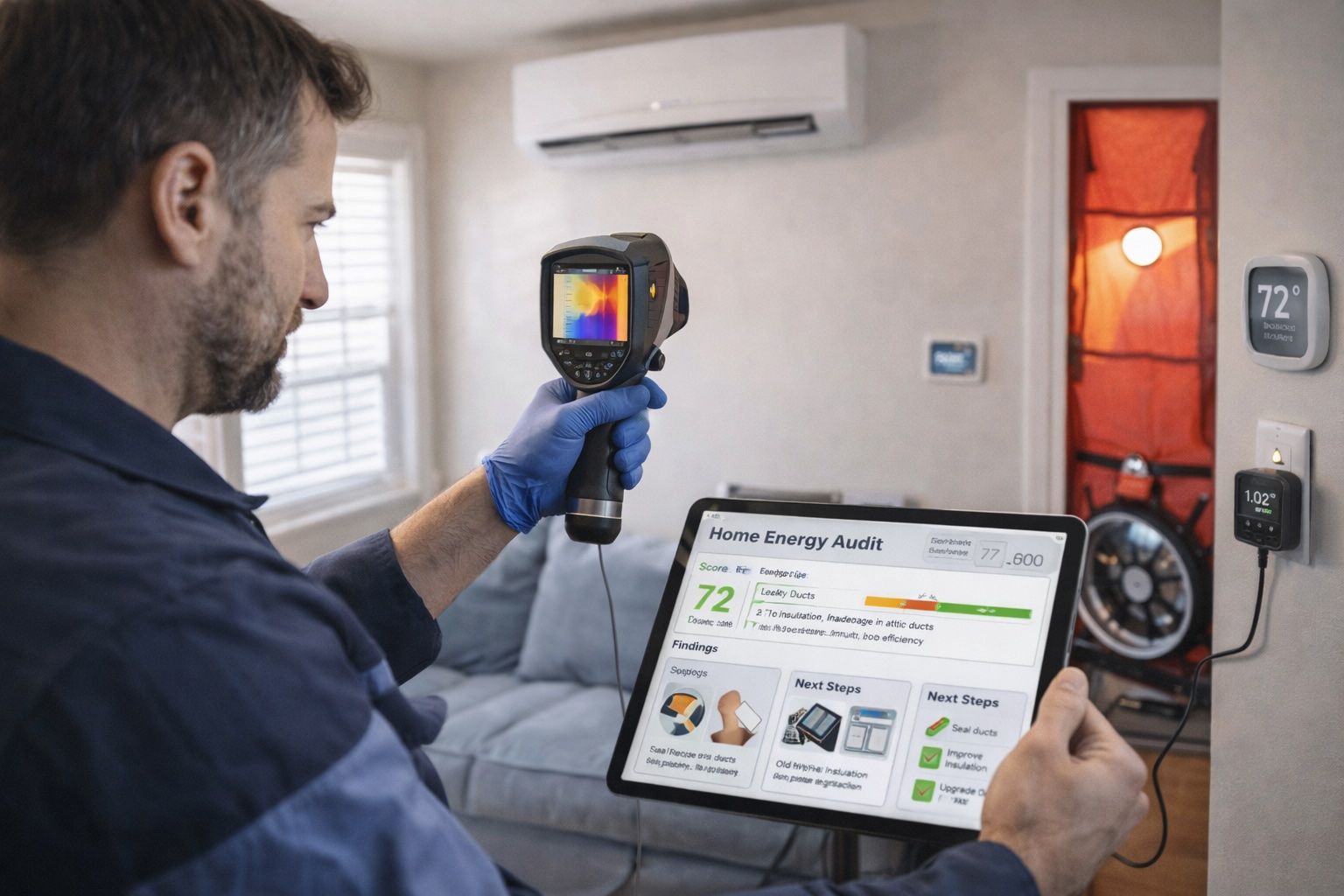
A modern energy audit uses smart tools (thermal sensors, smart plugs, airflow/temperature readings, usage tracking) to pinpoint where the home is wasting money — then recommends the highest-impact fixes.
It works because homeowners want lower bills but don’t know what to change first. Your service is prioritization: what to fix now, what can wait, and what ROI looks like. This can pair with contractors for insulation, sealing, HVAC tuning, or window improvements.
“Energy savings isn’t mystery. It’s measurement.”
59) Native-plant landscape design
Native landscaping uses plants adapted to the local climate, meaning less water, less maintenance, better resilience, and often better biodiversity.
This is a strong positioning because it’s both practical and trendy — especially where water restrictions exist or people are tired of high-maintenance lawns. Your value is designing a yard that looks intentional, not “wild,” while staying easy to maintain.
“Native doesn’t mean messy. It means smarter.”
60) Real estate sales
Real estate sales is a high-trust service business: pricing strategy, listing prep, marketing, showings, negotiation, paperwork, and guiding the deal to closing without surprises.
What makes an agent valuable isn’t opening doors — it’s getting the seller a better outcome (price + terms) and protecting buyers from mistakes. Specializing helps: first-time buyers, investors, luxury, relocations, or a specific neighborhood.
“Real estate is paperwork and psychology.”
61) House cleaning with natural products
Green cleaning is a simple, clear promise: a clean home using non-toxic, low-odor, eco-friendly products — especially appealing for families, pets, allergies, and short-term rentals.
This becomes a real business when the results are as good (or better) than conventional cleaning, with reliable scheduling and consistent standards. Add-on services (deep cleans, turnover cleans, move-in/out) can increase ticket size without changing the core offer.
“Natural products only matter if the home still feels spotless.”
Planning, training, and coaching
62) Virtual event planning
Virtual events are easy to announce and surprisingly hard to run. This business is planning online conferences, webinars, workshops, and internal company events — then making sure everything runs smoothly: agendas, speakers, rehearsal, tech setup, audience engagement, and post-event follow-up.
What makes it work is being the calm operator. Most clients don’t need “creative ideas” as much as they need a reliable plan, a clean run-of-show, and someone who prevents awkward silences, tech disasters, and last-minute chaos.
“A virtual event is a live performance — your job is making it look effortless.”
63) Online fitness coaching
Online fitness coaching is results + accountability delivered remotely: training plans, form feedback (video checks), weekly check-ins, habit tracking, and adjustments based on real life.
It works because people don’t fail from lack of information — they fail from lack of consistency. Your value is structure: clear programming, realistic progression, and enough support that clients don’t disappear after week two.
“Most people don’t need motivation. They need a plan they can actually follow.”
64) Nutrition coaching for specific diets
Diet-specific coaching helps people follow a lifestyle (vegan, keto, gluten-free, etc.) without feeling lost, bored, or constantly “starting over.” You support meal planning, grocery habits, substitutions, tracking (if relevant), and problem-solving around cravings, schedule, and social life.
The business works when you focus on sustainability over perfection. Clients want confidence: what to eat, how to stay consistent, and how to handle real-world situations (restaurants, travel, family meals).
“The best nutrition plan is the one a person can repeat on a busy week.”
65) Mindfulness coaching
Mindfulness coaching is stress reduction with practical tools: breathing routines, attention training, habit building, and reflection practices that help people calm down and stay grounded.
Where it wins is being simple and usable. Clients don’t want theory — they want something they can do in 3 minutes when they’re overwhelmed, and routines they can stick to without turning their life into a wellness project.
“Mindfulness isn’t escaping life — it’s handling it better.”
66) Career coaching for remote workers
Remote career coaching focuses on the modern challenges: productivity without burnout, boundaries, communication, visibility, promotion strategy, and navigating remote hiring.
This works because remote work is a different game. People struggle with isolation, unclear expectations, and being “out of sight.” Your value is helping clients build a clear plan: positioning, portfolio/CV, interview prep, and weekly systems that keep them moving forward.
“Remote work rewards clarity — in your schedule and in your communication.”
67) Leadership coaching
Leadership coaching helps new managers and emerging leaders build real skills: feedback, delegation, decision-making, meeting management, conflict handling, and coaching their team.
It’s valuable because leadership is often a promotion into a role nobody trains you for. Companies pay for fewer team problems and better performance; individuals pay for confidence and competence. The coaching wins when it’s grounded in real situations, not generic advice.
“Good leaders aren’t born — they’re trained in real conversations.”
68) Public speaking coaching
Public speaking coaching is confidence + structure + practice. You help clients build clear talks, strong openings, logical flow, better delivery, and calm nerves — whether it’s for presentations, pitches, interviews, weddings, or panels.
What makes it work is repetition and feedback. People improve fast when they practice with someone who can spot habits, tighten the message, and make delivery feel natural.
“Most speaking anxiety is just untrained performance.”
69) Social media training for small businesses
This is teaching owners and small teams how to market consistently: what to post, how to plan content, how to write captions, basic visuals, and how to turn attention into leads or sales.
The business works when it’s practical. Small businesses don’t want complicated strategies — they want simple systems: weekly content routines, templates, and clear examples so they stop guessing.
“Social media gets easier when you stop improvising every post.”
70) Online language tutoring
Language tutoring is personalized learning: speaking practice, grammar support, pronunciation, and confidence — in 1:1 sessions or small groups.
This becomes a strong business when you specialize: exam prep, business language, travel language, or conversation fluency. People pay for a tutor because apps can’t correct them in real time or adapt to their goals.
“Fluency grows through feedback — not just exposure.”
71) Test preparation services
Test prep is structured practice: a study plan, targeted drills, strategy, timed mocks, review, and progress tracking. The goal is predictable improvement, not “studying harder.”
It works because tests reward technique. Students often don’t know what to prioritize, how to practice efficiently, or how to manage time under pressure. You bring structure and confidence.
“Prep isn’t more hours — it’s better reps.”
72) How to start a small business training
This is beginner-friendly guidance: choosing a niche, validating demand, basic pricing, simple marketing, legal/admin basics, and the first practical steps to launch.
The opportunity is clarity. Most beginners don’t need a 200-page course — they need a step-by-step path that removes overwhelm and gets them moving. If your training includes checklists, examples, and “do this this week” actions, it becomes genuinely useful.
“Most new businesses fail at the start because the start feels unclear.”
Hospitality and food
73) Mobile bartending service
Mobile bartending is a “show up and make it easy” business for weddings, house parties, brand events, and corporate gatherings. You bring the bar setup, tools, speed, and a smooth guest experience — so the host doesn’t have to worry about drink chaos all night.
This works when you package it clearly (hours, guest count, menu style) and run it like an operation: prep list, batchable cocktails, fast service, clean setup, and responsible service. Clients remember how an event felt, and a good bartender controls the vibe.
“A great bar doesn’t just serve drinks — it runs the room.”
74) Personal chef for specific diets
A personal chef business solves a problem people feel daily: “I want to eat right, but I don’t have time to plan and cook.” You create meal prep, private dinners, or weekly menus for specific needs — gluten-free, vegan, keto, allergies, athlete-focused, etc.
The win is trust + consistency. Clients don’t want surprises; they want food that fits their diet, tastes good, and makes their week easier. A strong chef here becomes part of the client’s routine.
“You’re not selling food — you’re selling relief.”
75) Food delivery with sustainable packaging
This is a delivery business with a positioning: less waste. The food matters, but the differentiator is packaging that’s compostable, recyclable, reusable, or deposit-based — plus a system that makes it easy for customers to do the right thing.
To make this work, the operations have to be tight: packaging costs, supplier reliability, and a simple return/reuse flow if you go that route. If the experience is smooth, customers feel good ordering again.
“Sustainability only scales when it’s convenient.”
76) Catering for small events
Small-event catering is a sweet spot: birthdays, team lunches, private dinners, workshops, and intimate weddings. Clients want something elevated without the complexity (and price) of huge catering operations.
This business wins on reliability and presentation: clear menus, dietary options, on-time delivery, and food that looks good in photos. The easiest growth path is repeatable menus that still feel premium.
“Small events don’t need more food — they need the right food, delivered perfectly.”
77) Pop-up restaurant

A pop-up restaurant is a temporary concept in a unique location — a way to test a menu, build hype, and create a “you had to be there” experience without committing to a full restaurant lease.
It works when it’s positioned like an event: limited seats, clear theme, simple menu, tight service, and strong storytelling. The pop-up is the marketing and the product.
“Pop-ups sell scarcity — but they survive on execution.”
78) Specialty coffee roasting
Specialty roasting is about taste and repeat buyers. You source quality beans, roast consistently, and build a brand people trust. Customers aren’t only buying coffee — they’re buying a favorite ritual.
This becomes a real business when you nail consistency, freshness, and a clear profile (“chocolatey, fruity, espresso-focused, light roast lovers”). Subscriptions and wholesale to cafés/restaurants can make it stable.
“Great coffee is a habit — your job is becoming the default.”
79) Craft brewery tours
Brewery tours are an experience business: guided tastings, local storytelling, logistics, and fun — for tourists, groups, and corporate outings. The value is curating the route, timing, and vibe so people don’t have to plan anything.
This works when it’s more than “visiting breweries.” It’s pacing, education, and a smooth itinerary. The best tours feel like a mini-festival, not transportation.
“People don’t pay for beer stops — they pay for a great day.”
80) Farm-to-table catering
Farm-to-table catering is premium catering with a sourcing story: seasonal menus, local farms, fresh ingredients, and a clear connection between food and place.
The business advantage is differentiation. When the food tastes great and the sourcing is real, you’re not competing only on price — you’re competing on values, quality, and experience. It’s especially strong for weddings and brand events.
“Farm-to-table isn’t a label — it’s a standard you can taste.”
81) Meal kit delivery service
Meal kits sell convenience without sacrificing cooking. You deliver pre-portioned ingredients and recipes so customers can make real meals quickly, with less decision fatigue and less waste.
This business wins on consistency and simplicity: recipes that actually work, predictable delivery, and options that fit a lifestyle (family, high-protein, vegetarian, quick 15-minute meals). The retention game is making weeknight dinners easier.
“Meal kits don’t compete with restaurants — they compete with ‘what should we eat?’”
82) Event barista
An event barista service brings a coffee bar to conferences, weddings, brand activations, and offices. It’s both functional (caffeine) and experiential (the coffee moment becomes a social anchor).
This works when you treat it like a premium setup: good equipment, fast service, clean menu, beautiful presentation, and smooth flow for lines. Clients love it because coffee improves the entire event mood.
“Coffee is the easiest way to make an event feel taken care of.”
Other small business ideas
83) Pet waste removal
Pet waste removal is an unglamorous service that people happily outsource. You offer scheduled yard cleanups (weekly, biweekly, monthly) so owners don’t deal with the mess — and yards stay usable, especially for families and apartment-style homes with shared outdoor areas.
This business wins on reliability and routing. If you show up on time, communicate clearly, and make billing simple, it becomes an easy subscription. Add-ons like deodorizing, yard sanitizing, or one-time “spring cleanup” can lift the average order without turning it into a complicated menu.
“People don’t want to think about it — that’s why it sells.”
84) Mobile pet grooming
Mobile grooming sells convenience and less stress for pets. Instead of a scary salon trip, you show up at the customer’s location and handle bathing, trimming, nail care, and basic grooming in a controlled setup.
The success lever is the experience: calm handling, punctuality, and consistent results. Pet owners pay for trust, not just grooming. Once they find someone who’s gentle and dependable, they don’t switch.
“A good groomer isn’t a service — they’re a lifeline for anxious pets.”
85) Dog walking with GPS tracking
Dog walking becomes premium when owners get visibility: GPS tracking, time stamps, route maps, and quick photo updates. It’s reassurance, not surveillance — especially for busy professionals and people who travel.
Operationally, this works when you run it like a system: predictable scheduling, clear safety rules, backups for emergencies, and real communication. The GPS layer is the “proof of work” that builds trust and reduces complaints.
“The walk is for the dog. The update is for the owner.”
86) Pet photography

Pet photography is a creative service with emotional value: owners want portraits that feel like their pet’s personality, not random phone pictures. It can also extend into brand work (pet products, shelters, breeders, vets, groomers).
This business is about patience and process: choosing a location, working fast in short sessions, and delivering a small set of great images instead of hundreds of okay ones. The best photographers become known for a recognizable style, using different tools, like editing or luts.
“Pets don’t pose — photographers adapt.”
87) Plant care services
Plant care is quiet recurring revenue. Homes and offices want plants, but many people don’t know how to keep them alive. You offer routine visits: watering, pruning, pest checks, repotting, soil care, and plant recommendations.
The value is consistency and diagnosis. Customers pay because you prevent slow plant death, and you spot problems early. It’s especially strong for offices, cafés, and short-term rentals that want greenery without maintenance.
“Plant care is facility maintenance — just greener.”
88) Waterless mobile car wash
A waterless (or low-water) mobile wash is convenience + sustainability. You clean at the customer’s home or office using products designed to lift dirt without a full rinse, saving time and water.
This works best when positioned correctly: light-to-moderate dirt, maintenance washes, and subscription-style repeat visits. The key is results — if the finish looks clean and safe for paint, customers won’t care that you didn’t use a hose.
“Eco-friendly only matters if the car still looks freshly washed.”
89) Eco-friendly subscription box
Subscription boxes are a curation business: you pick useful sustainable products and deliver them regularly. The challenge isn’t “finding eco products” — it’s building trust that every box is worth it and not random filler.
This becomes strong when you choose a clear angle (home essentials, travel kit, zero-waste starter, baby-safe products) and keep the quality consistent. People stay subscribed when they feel like you’re saving them time and research.
“Curation beats choice fatigue.”
90) Mobile massage therapy
Mobile massage sells comfort and privacy: the therapist comes to the client’s home, hotel, or workplace. It’s popular for busy professionals, athletes, couples, and corporate wellness.
The business is built on professionalism: punctuality, clean setup, safety boundaries, clear intake, and a calm client experience. The best operators make it feel effortless — booking, arrival, session, payment, done.
“Massage is the product — but convenience is the reason people book.”
91) Personal shopping for sustainable fashion
Sustainable personal shopping is helping clients buy less, but buy better. You guide them toward ethical brands, better materials, timeless pieces, and wardrobes that match their lifestyle — without the overwhelm of researching every label.
This works when you treat it like a transformation: wardrobe audit, style goals, budget, then a clear shopping plan. Clients pay for clarity, confidence, and time saved — not just product links.
“Sustainable fashion isn’t about perfection — it’s about better decisions.”
92) Online resale of vintage clothing
Vintage resale is part sourcing, part branding, part logistics. You find good pieces, curate a coherent style, photograph them well, list them consistently, and ship quickly.
The advantage is differentiation through taste. Anyone can resell clothes; not everyone can build a shop people trust. If you develop a clear niche (90s streetwear, workwear, designer vintage, minimalist basics) and utilize the right reselling apps to manage your listings, you become a destination instead of a random seller.
“Vintage isn’t inventory — it’s a point of view.”
93) Children’s play space organization
This is a “make the chaos livable” service. You help parents turn toy explosions into simple systems: zones (build, read, craft), labeled bins, rotation setups (half the toys hidden), and storage that kids can actually use.
The win is reducing daily friction. Parents don’t want Pinterest-perfect — they want something that stays organized for more than two days. If you design around the family’s routines (ages, schedules, space), this becomes a high-referral business.
“Organization isn’t about more bins. It’s about fewer decisions.”
94) Electronics recycling service
E-waste is everywhere: old laptops, phones, cables, routers, monitors, printers. People know they shouldn’t throw it away, but they don’t know what to do with it. Your service makes disposal easy and responsible.
This works best as pickup + sorting + certified recycling partnerships. Add business clients (offices, coworking spaces, schools) and you can build recurring collection days. Trust matters here — people want to know their devices are handled properly.
“People don’t hoard electronics because they love clutter — they’re unsure how to get rid of it safely.”
95) Online escape room
An online escape room is a digital experience people buy for fun: friend groups, team-building, birthdays, date nights, classrooms. You design puzzles, storylines, visuals, and a smooth “flow” that keeps people moving without getting stuck forever.
The business is creative, but the product is structure: difficulty pacing, clear instructions, and a satisfying ending. If you build multiple rooms or themed packs, you create repeat customers.
“A great escape room feels challenging — not confusing.”
96) Personalized baby gifts
Personalized baby gifts sell because they feel thoughtful: names, birth dates, custom messages, embroidered items, engraved keepsakes, baby milestone boards, gift boxes for new parents.
This works when you make it easy for customers to choose: a few popular templates, clear personalization options, fast turnaround, and gift-ready packaging. The emotional moment is the marketing.
“People buy baby gifts to show they care — personalization makes it believable.”
97) Sticker business
Stickers are a small purchase with high identity value: brands, creators, local shops, laptop culture, planners, packaging, events. You can sell your own designs or do custom sticker packs for businesses.
This becomes real when you pick a niche (funny, minimalist, local city themes, business packaging labels, planner stickers) and stay consistent. Quality and durability matter more than people think.
“Stickers are tiny billboards — people only use the ones they love.”
98) Craft fair booths
Craft fairs are a distribution channel, not just a hobby. You make products people can buy quickly in person, set up a booth that attracts attention, and learn what sells through real conversations.
The key is having a tight product lineup and pricing that works for impulse buys (plus a few higher-ticket items). The best booths feel curated: clear signage, clean display, and a simple story.
“A fair booth is retail with training wheels — and real feedback.”
99) Sell on Etsy

An Etsy shop is a small product business built around search traffic and trust. You can sell digital products (templates, printables, planners, design assets) or physical products (handmade, personalized, niche items).
The winners treat it like a system: consistent listings, strong photos, clear descriptions, good reviews, and reliable delivery. It’s not “open a shop and wait” — it’s build a catalog and improve it.
“Etsy rewards consistency more than genius.”
100) Local honey business
Local honey sells as a product and as a story: regional, seasonal, small-batch, and often tied to wellness and food culture. Beyond honey, you can expand into related products like infused honey, beeswax candles, lip balm, or gift sets.
This business is strongest when you lean into quality, transparency, and local relationships (markets, cafés, gift shops). People buy it because it feels better than supermarket honey — and because it supports something real.
“Local honey isn’t just sweet — it’s credibility in a jar.”
If you think none of this works, keep in mind that Social Cat has a small business ideas generator, that can help you finding the perfect choice.
How to Get Started
Navigating the initial stages of launching a small business can be daunting, but with careful planning and execution, you can lay a solid foundation for long-term success. Brands that want to support entrepreneurs can provide resources and guidance in these key areas.
1. Create a Business Plan
A comprehensive business plan serves as a roadmap for your entrepreneurial journey, outlining your objectives, strategies, and financial projections. This document is crucial for securing funding and guiding your business decisions. Include a detailed market analysis, a description of your products or services, and a marketing plan. Tools like monday.com can help you stay organized and track your progress.
Your business plan should be a living document that you update regularly to reflect changes in the market and your business. Be sure to include contingency plans for potential challenges and opportunities. Remember that your business plan is not just for investors; it's also a tool for you to stay focused and on track.
2. Decide on Legal Structure
The legal structure you choose for your business will impact your taxes, liability, and operational requirements. Common options include sole proprietorship, LLC, partnership, and corporation. Each structure has its own advantages and disadvantages, so consult with an attorney and accountant to determine the best fit for your needs.
Register your business with the appropriate government agencies and obtain any necessary licenses or permits. This is an essential step in ensuring compliance and protecting your business from legal issues. Additionally, consider trademarking your brand name and logo to protect your intellectual property.
3. Keep Finances Separate
Maintaining separate personal and business finances is crucial for accurate record-keeping and financial management. Open a dedicated business bank account and credit card, and use these exclusively for business transactions. Tools like QuickBooks can help you track your income and expenses, generate financial reports, and manage your cash flow.
Set up a system for tracking your expenses and income, and reconcile your accounts regularly. This will help you stay on top of your finances and make informed decisions about your business. It's also important to consult with a tax professional to understand your tax obligations and ensure compliance.
4. Plan Operational Needs
Carefully assess your operational needs, including staffing, location, equipment, technology, and software. Determine how you will efficiently manage the production of goods or the delivery of services. Consider using project management tools like Asana to streamline your workflows and ensure that tasks are completed on time and within budget.
Develop a detailed operational plan that outlines your processes, procedures, and resources. This will help you ensure that your business runs smoothly and efficiently. It's also important to have a plan for managing inventory, customer service, and other key aspects of your operations.
5. Develop a Brand and Marketing Strategy
Establishing a strong brand identity and developing a comprehensive marketing strategy are essential for attracting customers and building brand loyalty. Define your target audience, identify your unique selling proposition, and create a consistent brand message. Utilize social media platforms, content marketing, and search engine optimization (SEO) to reach your target audience and promote your business. Don't forget to integrate your social media strategy for success.
Your marketing strategy should be data-driven and continuously optimized based on performance. Track your key metrics, such as website traffic, social media engagement, and conversion rates, and adjust your strategies accordingly. Consider using marketing automation tools like HubSpot to streamline your marketing efforts and improve your results.
6. Operate Within the Law
Compliance with all applicable laws, regulations, and industry standards is essential for avoiding legal issues and protecting your business. Obtain all necessary licenses and permits, understand labor laws if hiring employees, and ensure data protection and privacy. Consult with legal and regulatory experts to ensure that you are operating in compliance with all relevant requirements.
Stay up-to-date on changes in laws and regulations that may impact your business. This will help you avoid costly fines and penalties. It's also important to have a clear understanding of your legal rights and responsibilities as a business owner.
7. Build a Support Network
Surrounding yourself with a strong support network of mentors, advisors, and fellow entrepreneurs can provide invaluable advice, feedback, and connections. Attend industry events, join online communities, and seek out mentors who can share their experiences and insights. Tools like LinkedIn can help you connect with other professionals in your industry.
Your support network can provide you with emotional support, practical advice, and valuable connections. Don't be afraid to ask for help when you need it. Remember that building a successful business is a team effort.
Addressing these foundational elements early on can set a strong course for growth and operational efficiency for your entrepreneurial endeavor. By combining careful planning, strategic decision-making, and a commitment to continuous learning, you can increase your chances of success in the exciting world of small business ownership.